
Have you ever felt like you're drowning in a sea of research papers, unable to connect the dots? I certainly have. After reading dozens of academic articles, I'd often find myself confused about how they related to each other. That's when I discovered knowledge path tracing – a game-changer for anyone who needs to process complex information efficiently.
What is Knowledge Path Tracing and Why It Matters for Effective Learning
Knowledge path tracing is a methodology that helps you map connections between ideas across multiple sources. Unlike traditional linear reading where you consume information sequentially, path tracing allows you to follow conceptual threads across documents, creating a network of understanding.
In today's information-rich environment, the problem isn't access to knowledge – it's making sense of it all. The average researcher faces hundreds of potentially relevant papers for any given topic. No wonder 78% of academics report feeling overwhelmed by the volume of literature they need to process.
"The difference between information and knowledge is organization. Knowledge path tracing transforms scattered information into structured understanding that you can actually use." - Dr. James Henderson, Cognitive Learning Researcher
The Critical Difference Between Path Tracing and Conventional Research Methods
Traditional research methods typically involve reading papers from start to finish, taking linear notes, and trying to mentally connect ideas later. This approach creates significant learning frustration because our brains don't naturally organize information this way.
Knowledge path tracing, on the other hand, mirrors how our minds naturally work – by association and connection. When you trace paths between related concepts across multiple sources, you're essentially creating a mental map that makes recall and understanding dramatically easier.
A study from Stanford's Learning Lab found that students using spatial knowledge organization techniques retained 42% more information after two weeks compared to those using conventional note-taking methods.
Knowledge Path Tracing Method: The Foundation of Research Efficiency
At its core, effective knowledge path tracing relies on three principles:
Conceptual linking - identifying how ideas connect across different sources
Visual organization - arranging information spatially to reveal relationships
Iterative exploration - following conceptual threads to deepen understanding
This approach transforms your thinking workspace from a collection of isolated notes into an interconnected knowledge network. The beauty of this method is that it mimics how experts naturally process information – by constantly relating new ideas to existing knowledge structures.
Step-by-Step Knowledge Path Tracing Process with Ponder
Step 1: Define Your Knowledge Starting Point
Begin by clearly identifying what you're trying to learn or understand. This could be a research question, a concept you want to master, or a problem you're trying to solve.
Using Ponder's framework building features, you can create a starting structure for your exploration. This framework serves as a scaffold that will evolve as you add more information. Start with central questions or concepts, then branch outward as your understanding grows.
Step 2: Upload and Transform Documents into Knowledge Maps
This is where traditional research methods and modern deep research tools diverge dramatically. Instead of reading each document linearly, Ponder allows you to upload PDFs with a single click and automatically transforms them into interactive knowledge maps.
These maps highlight key concepts, methods, findings, and connections within each document. The AI identifies the structural elements that matter most, allowing you to quickly grasp the document's contribution to your knowledge framework.
Step 3: Identify Key Concept Relationships
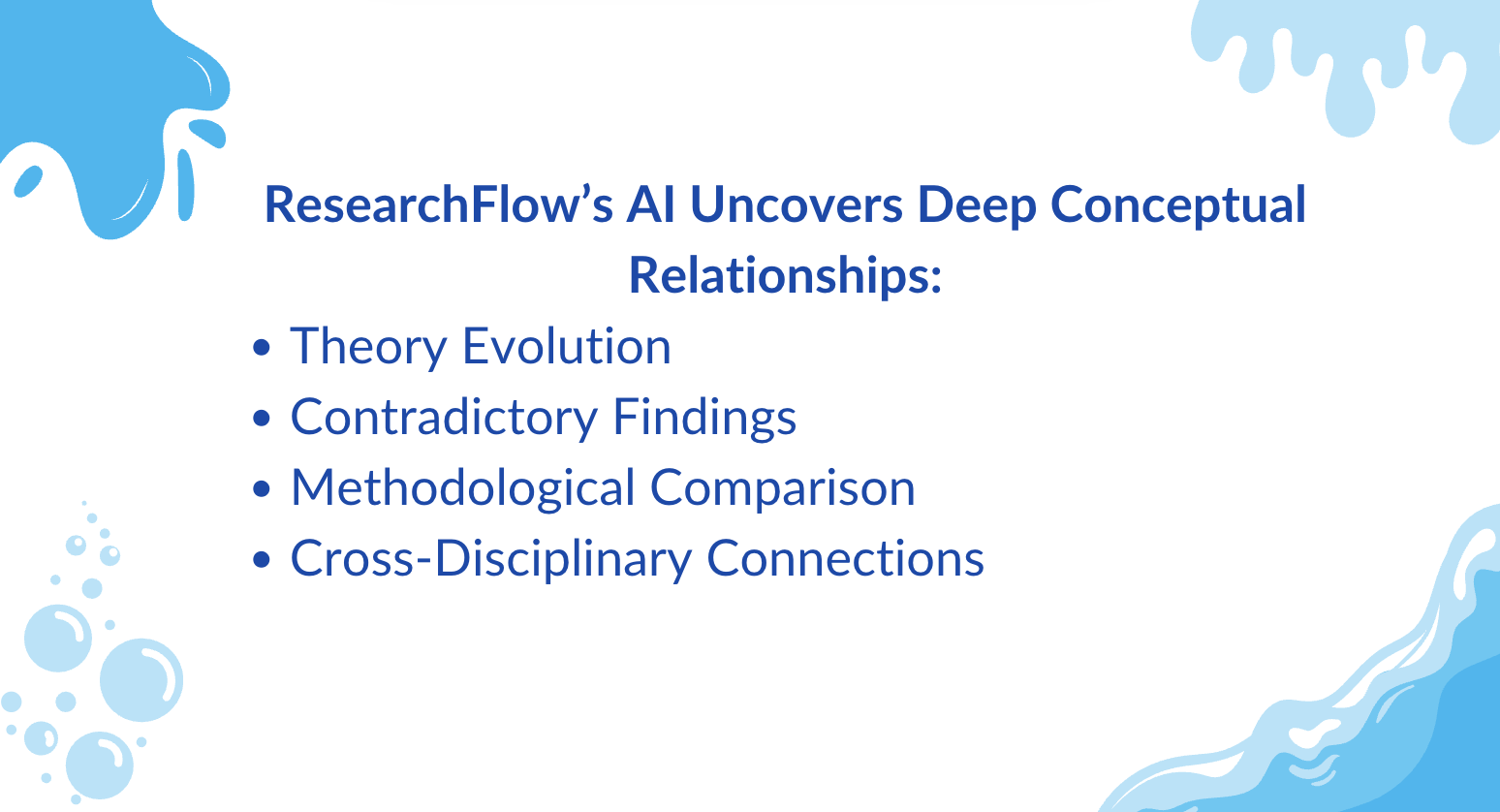
The magic of knowledge path tracing happens when you start connecting ideas across documents. Ponder's AI analyzes relationships between concepts, helping you discover:
How theories have evolved over time
Where research findings contradict each other
Which methodological approaches yield similar or different results
How key concepts relate to each other across disciplines
These connections form the "paths" in knowledge path tracing, creating routes you can follow to deepen your understanding.
Step 4: Compare Multiple Documents to Find Patterns
One of the most powerful features of a thinking workspace like Ponder is the ability to compare multiple documents simultaneously.
Types of Patterns Revealed Through Multi-Document Comparison:
Pattern Type | Description | Value to Researcher |
|---|---|---|
Consensus | Areas where multiple sources agree | Identifies established knowledge |
Contradiction | Conflicting findings or interpretations | Highlights areas for critical analysis |
Evolution | How ideas have developed over time | Shows the progression of understanding |
Gap | Missing connections or unexplored areas | Reveals opportunities for new research |
Methodology Variation | Different approaches to similar questions | Helps evaluate research validity |
These patterns emerge naturally when you use the right reading tool, giving you insights that would take weeks to discover through conventional methods.
Step 5: Ask Questions to Trace Specific Knowledge Paths
With your knowledge map taking shape, you can now ask targeted questions to explore specific paths. Ponder's AI helps you follow citation trails and see how ideas have influenced each other.
For example, you might ask:
"How has the definition of this concept changed over the past decade?"
"Which researchers disagree with this finding and why?"
"What methods have been most effective in studying this phenomenon?"
Each question traces a new path through your knowledge landscape, revealing connections you might otherwise miss.
Step 6: Build Your Flexible Knowledge Framework
As you continue exploring, your knowledge framework becomes increasingly robust. Unlike rigid note-taking systems, spatial organization allows your understanding to evolve organically.
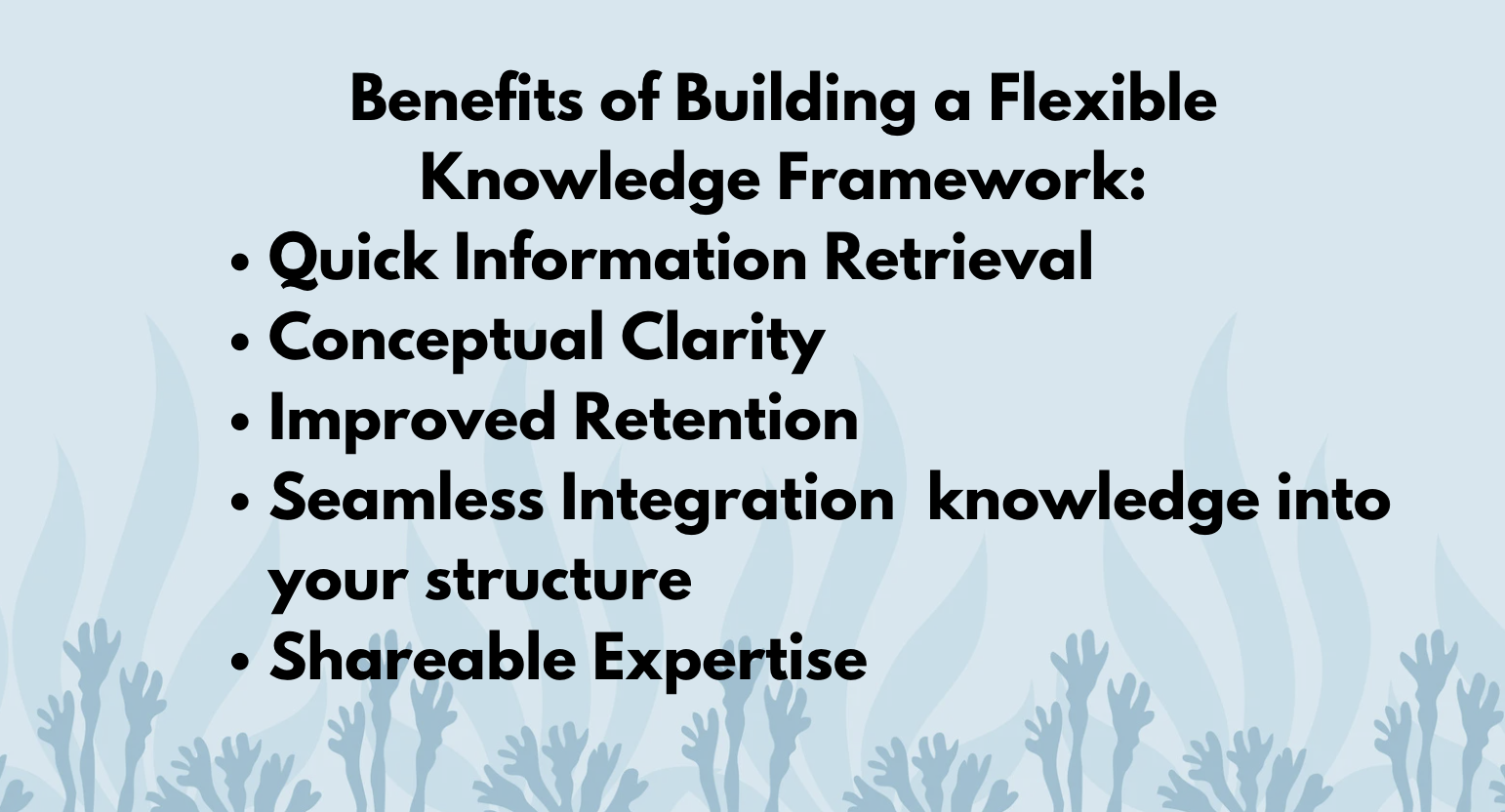
The benefits of building this framework include:
Easier retrieval of information when you need it
Clearer understanding of how concepts relate to each other
Better retention of complex information
The ability to integrate new information into your existing knowledge structure
A visual representation of your expertise that you can share with others
Step 7: Refine Through Iterative Path Exploration
Knowledge development isn't linear – it's iterative. The final step in effective knowledge path tracing is to continually refine your understanding by exploring new paths.
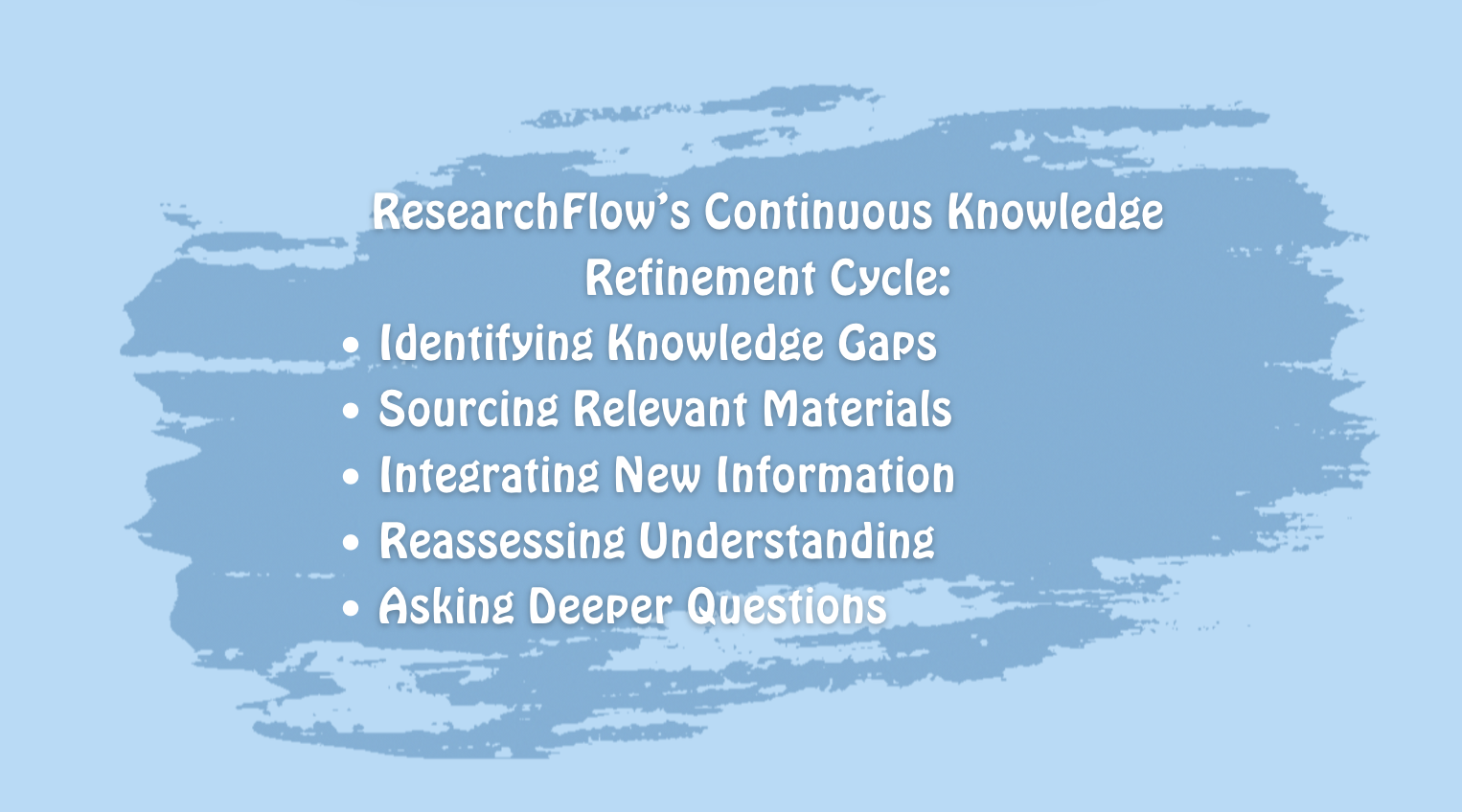
Ponder enables this through a continuous cycle of:
Identifying knowledge gaps
Finding relevant sources to fill those gaps
Integrating new information into your framework
Reassessing your understanding
Asking deeper questions
Real-World Applications of Knowledge Path Tracing Techniques
How Researchers Use Path Tracing Methods to Accelerate Discoveries
Researchers using knowledge path tracing methods report completing literature reviews 68% faster than with traditional methods. By quickly identifying conceptual relationships across hundreds of papers, they can focus their energy on novel contributions rather than information processing.
One neuroscience lab at UCLA reduced their research preparation time from months to weeks by implementing knowledge path tracing techniques, allowing them to publish findings significantly faster than peer institutions.
Students: Mastering Complex Subjects Through Knowledge Path Tracing
For students, knowledge path tracing transforms the learning experience from memorization to comprehension. When preparing for exams or writing theses, the ability to see how concepts connect across multiple lectures and readings makes complex subjects more accessible.
Knowledge Workers: Transforming Information Overload into Insights
Business analysts and knowledge workers face similar challenges with information overload. Knowledge path tracing helps them convert mountains of reports and data into actionable insights by revealing the connections that matter most to decision-makers.
Common Knowledge Path Tracing Challenges and Solutions
Even with powerful tools like Ponder, knowledge path tracing comes with challenges:
Information contradictions: When sources disagree, use comparison features to examine methodologies and evidence quality
Complexity management: Start with broad frameworks and drill down progressively rather than attempting to map everything at once
Focus maintenance: Use central research questions to guide your path exploration and avoid going down rabbit holes
Why Knowledge Path Tracing is the Future of Research and Learning
As we move further into the information age, the ability to trace meaningful paths through vast knowledge landscapes becomes increasingly valuable. Research tools like Ponder are transforming how we learn, shifting us from passive information consumers to active knowledge navigators.
Knowledge path tracing isn't just a technique – it's a fundamental shift in how we approach complex learning challenges. By mapping the connections between ideas, we create not just notes but understanding.
Ready to end learning frustration and transform how you process information? Start your knowledge path tracing journey with Ponder today and experience the difference that spatial, connected thinking can make in your research process.