



Quick answer: The best collaboration tool depends on your team's workflow. Notion and Confluence lead for structured team wikis and documentation. Slack and Teams handle real-time communication. Miro and FigJam excel for visual workshops. For research teams who need to collaboratively synthesize literature and evidence — building a shared knowledge map across sources — Ponder's canvas supports multi-user research synthesis rather than general team collaboration.
Understanding Collaboration Challenges in Modern Workplaces
The Evolution of Team Collaboration
Collaboration in the workplace has evolved dramatically from cubicles and water cooler conversations to a world of virtual teams spanning continents. The digital transformation has redefined teamwork, introducing cloud-based platforms, video conferencing, and real-time document editing. This shift has created a melting pot of time zones, cultures, and communication styles, all facilitated by technology.

Key Factors Affecting Collaborative Success
Two critical factors shape collaborative success in modern workplaces:
Communication: The glue that holds everything together, requiring clear, concise, and consistent exchanges across various digital channels.
Organizational culture: The invisible force that shapes how teams work together, influencing openness, trust, and innovation.
Identifying Common Collaboration Pitfalls
Lack of Clear Goals and Roles
Ambiguous objectives and undefined responsibilities can lead to:
Wasted time on irrelevant tasks
Duplication of efforts
Work being done against team objectives unknowingly
Tasks falling through the cracks
Missed deadlines
Finger-pointing and blame
Communication Breakdowns in Team Projects
Communication issues often manifest as misinterpretation of information, ineffective use of collaboration tools, information silos, notification fatigue, and important messages getting lost in digital noise. These challenges can significantly hinder team productivity and project success.
Strategies to Overcome Collaboration Obstacles
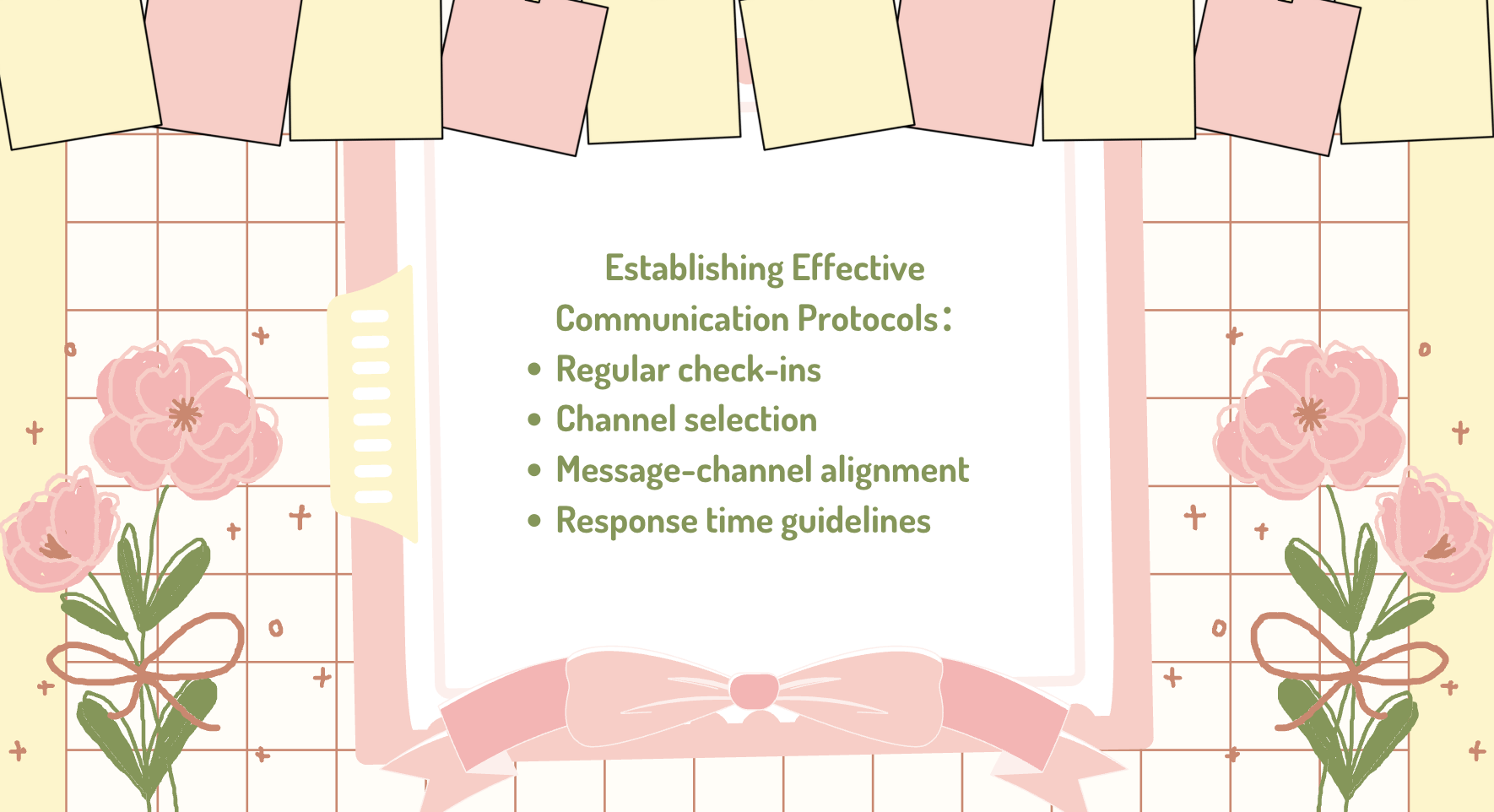
Establishing Effective Communication Protocols
To improve communication:
Set up regular check-ins and updates
Choose the right communication channels for different types of information
Match the channel to the message (e.g., instant messaging for quick questions, video calls for in-depth discussions)
Establish clear guidelines for response times and availability
Fostering a Culture of Trust and Openness
Building trust and openness within teams is crucial for effective collaboration. This can be achieved by encouraging transparent feedback, implementing regular feedback sessions (both top-down and peer-to-peer), and building psychological safety within teams. Leaders should model vulnerability and celebrate failures as learning opportunities to create an environment where team members feel comfortable sharing ideas and concerns.
Leveraging Technology to Enhance Team Collaboration
Choosing the Right Collaboration Tools
When selecting collaboration tools, it's essential to evaluate features based on your team's specific needs, consider integration capabilities with existing systems, and look for tools that address your biggest collaboration pain points. Ensuring smooth integration is crucial to reduce workflow friction and maximize productivity.
Collaboration Need | Tool Type | Key Features to Look For | Integration Priority |
|---|---|---|---|
File Sharing | Cloud Storage | Version control, access management | Document editors, project management tools |
Task Management | Project Management | Task assignment, progress tracking | Communication tools, time tracking software |
Communication | Messaging Platform | Video calls, thread organization | Email, calendar apps |
The legal case law connection visualizer in Ponder AI enhances collaborative research through AI-powered knowledge mapping, which transforms complex academic papers into interactive, visual knowledge maps. It It also offers multi-document comparison, allowing teams to compare multiple documents side by side and generate an ai deposition summary mind map that highlights similarities, differences, and unique insights. In highly regulated environments, teams can rely on a regulatory compliance knowledge graph tool to keep complex rules, obligations, and policy updates organized in a shared, visual workspace, further streamlining collaboration between legal, risk, and operations teams.
Measuring and Improving Collaboration Effectiveness
Key Performance Indicators for Collaborative Success
To measure collaboration effectiveness, teams should track project completion rates and quality, assess on-time completion rates, monitor the number of revisions needed, evaluate client satisfaction scores, measure team satisfaction and engagement levels, and analyze participation in team meetings and voluntary contributions. By regularly monitoring these KPIs, teams can identify areas for improvement and make data-driven decisions to enhance their collaborative efforts.
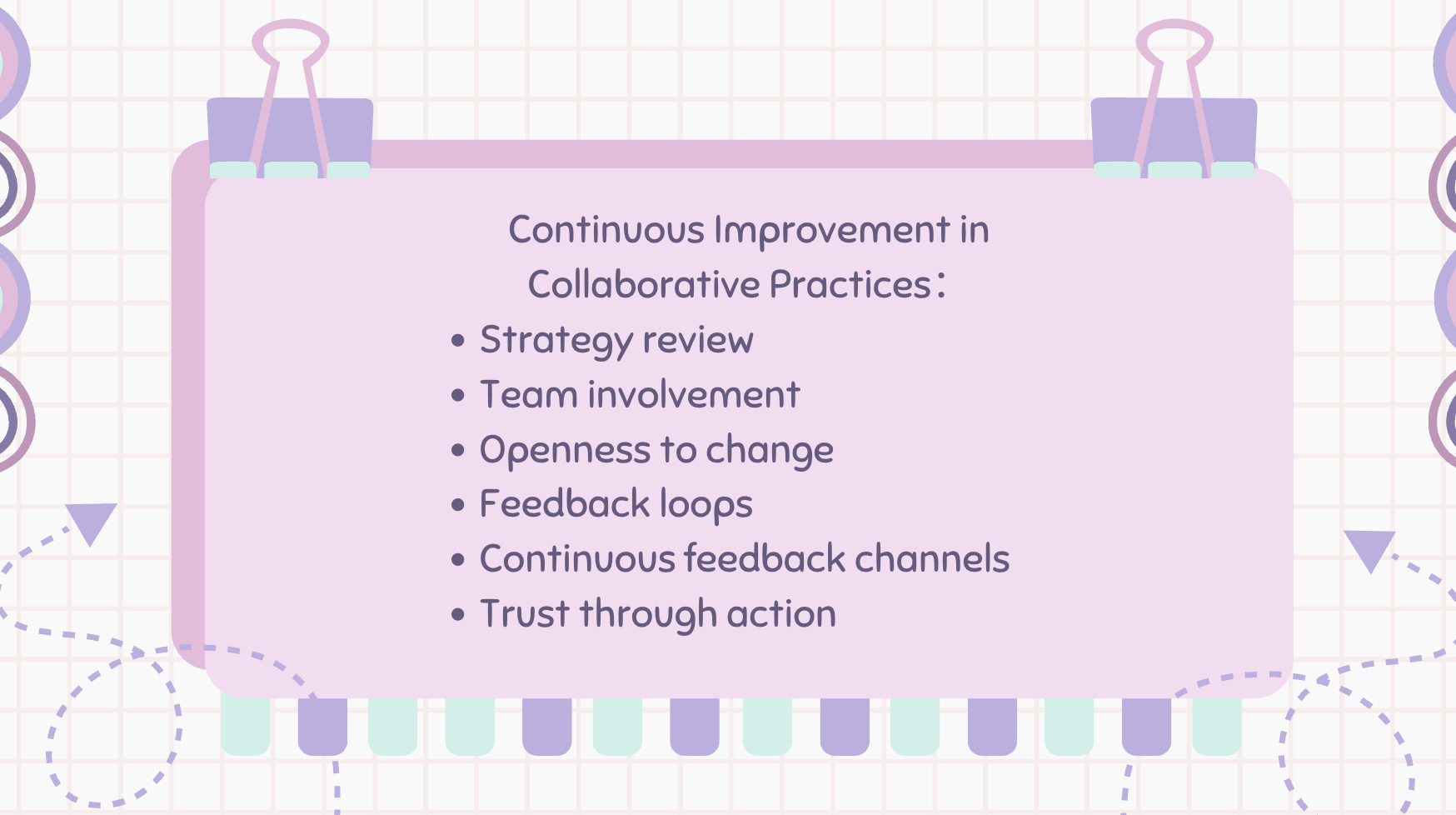
Continuous Improvement in Collaborative Practices
To ensure ongoing enhancement of collaborative efforts:
Regularly review and adapt collaboration strategies
Involve the whole team in assessments
Be open to change and experiment with new approaches
Implement feedback loops for ongoing improvement
Create channels for constant feedback, such as suggestion boxes or regular retrospectives
Act on feedback to build trust and shared ownership
By addressing these common collaboration breakdowns and implementing these strategies, teams can significantly improve their collaborative efforts, leading to more efficient, effective, and satisfying work experiences.
Conclusion
In today's fast-paced, digital-first work environment, effective collaboration is more critical than ever. By understanding common pitfalls, implementing targeted strategies, leveraging appropriate technology, and continuously measuring and improving collaborative practices, teams can overcome challenges and achieve remarkable results.
Remember that successful collaboration is an ongoing process that requires commitment, adaptability, and a willingness to learn from both successes and failures. By fostering a culture of open communication, trust, and continuous improvement, organizations can create a collaborative environment that drives innovation, productivity, and employee satisfaction.
As you implement these strategies, be patient and persistent. Change takes time, but with consistent effort and a focus on clear goals, your team can transform its collaborative capabilities and achieve new heights of success in the modern workplace.
Frequently asked questions
What are the key benefits of collaboration in research and knowledge work?
Collaboration combines diverse expertise, distributes workload, reduces individual blind spots, and often produces more creative and rigorous outputs than solo work. In research, co-authored work typically receives more citations, suggesting peer collaboration improves both quality and reach.
What are common challenges in collaborative projects and how are they addressed?
Common collaboration challenges include misaligned expectations, uneven contribution, communication gaps, and version control issues. These are best addressed with clear role definitions, shared project management tools, agreed-upon documentation standards, and regular synchronous check-ins.
How does Ponder support team collaboration?
Ponder Projects provide a shared knowledge workspace where team members can pool sources, ask AI questions across a shared library, and build on each other's notes — replacing fragmented email threads and siloed reading lists with a single, searchable research hub.