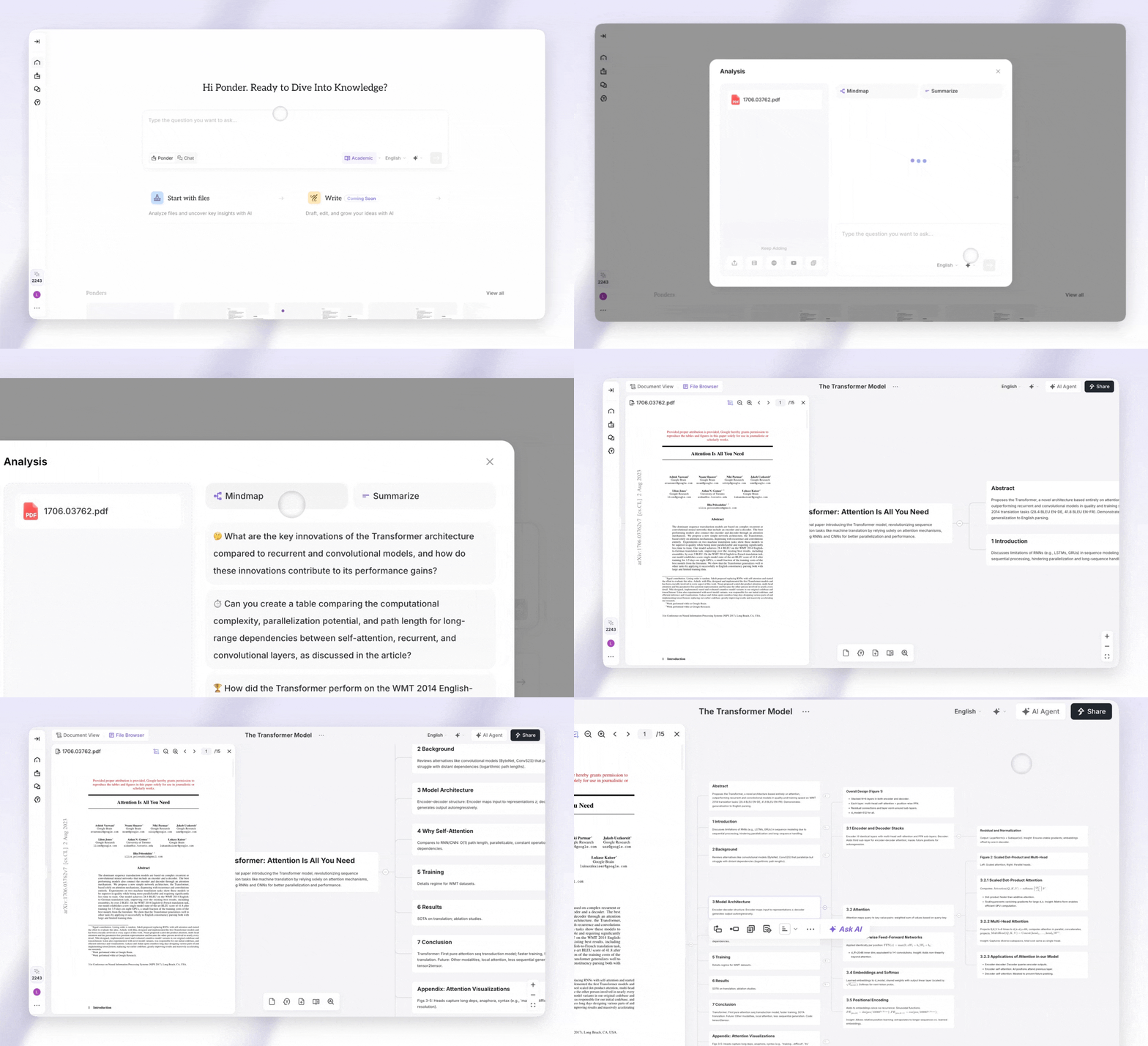
The landscape of scholarly work is changing rapidly. Students and researchers now have powerful technology at their fingertips. AI for Academic Research Writing Content is reshaping how scholars approach research, drafting, and revision, making academic workflows more efficient than ever before. Every scholar knows the struggle of lengthy literature reviews. Citations demand meticulous attention to detail, and managing sources can quickly become overwhelming. AI for Academic Research Writing Content offers practical support by assisting with reference organization, summarization, and consistency checks—working alongside your expertise rather than replacing it. Think of an AI research assistant as your partner in scholarship. When used responsibly, AI for Academic Research Writing Content frees up mental energy for deeper data analysis and critical thinking. These platforms handle repetitive, mechanical tasks so you can focus on developing stronger arguments and producing higher-quality academic papers. This guide walks you through practical strategies for integrating AI for Academic Research Writing Content into your research process. You’ll discover which platforms deliver real value and how to maximize their benefits while maintaining rigorous scholarly standards.
How AI for Academic Research Writing Transforms Your Workflow
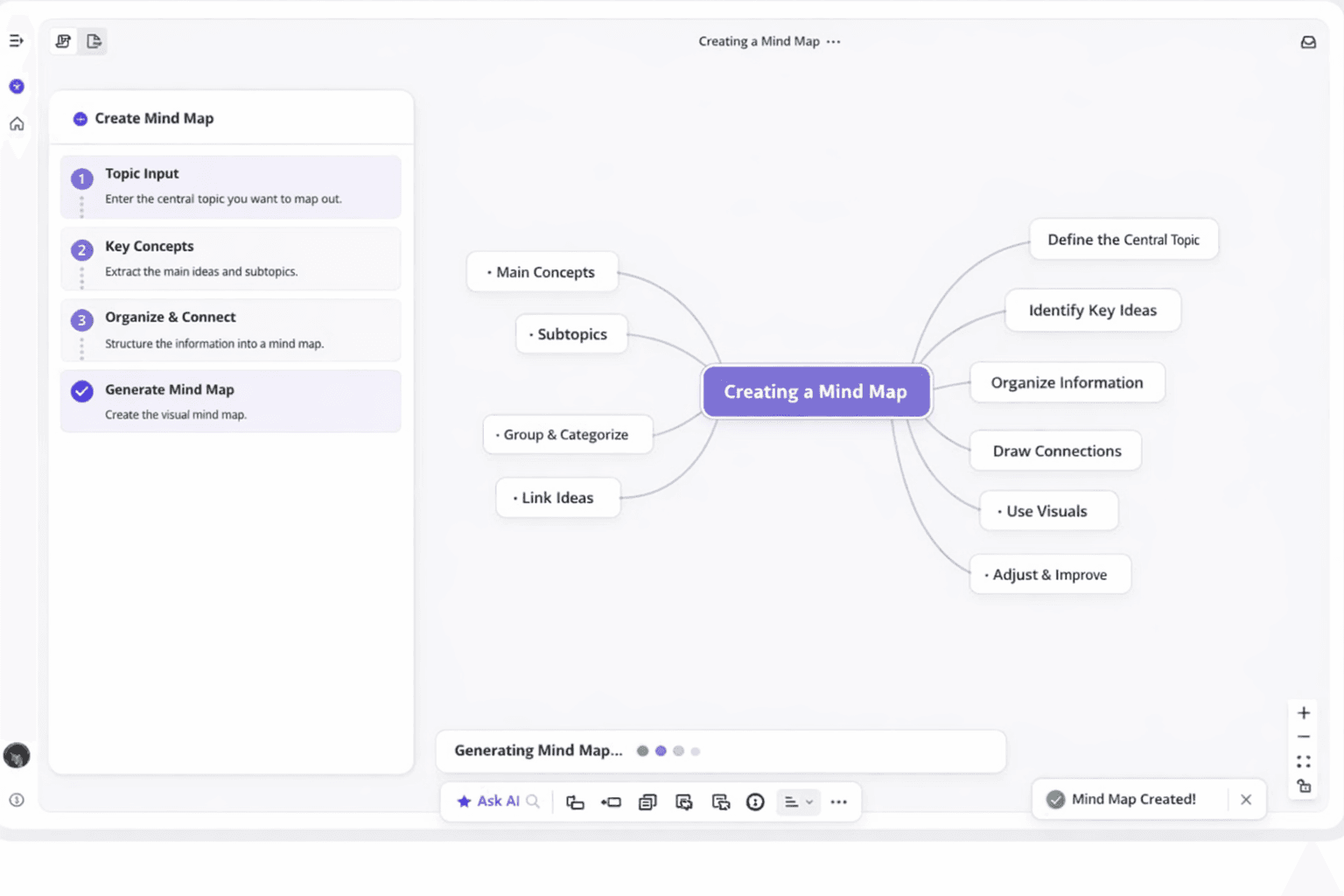
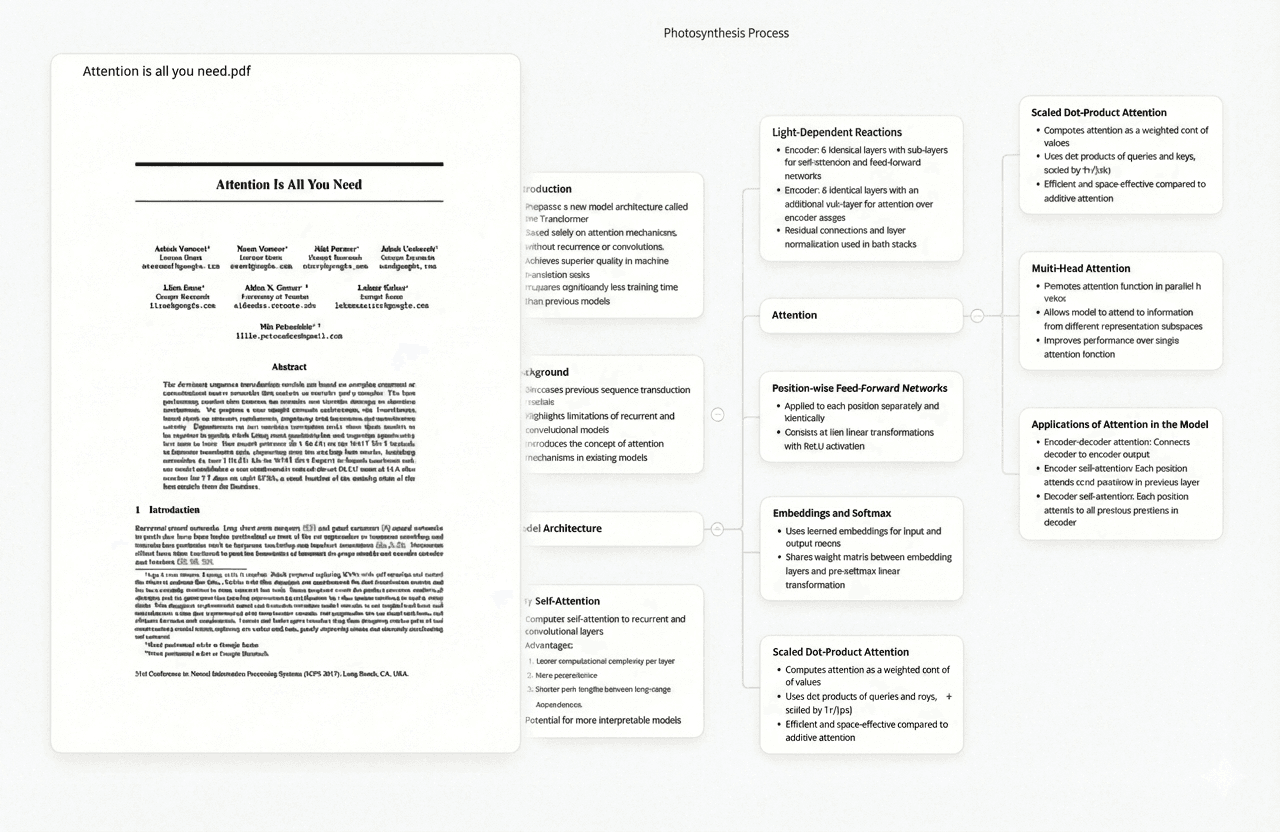
Imagine cutting your literature review time in half while discovering more relevant research than ever before. That’s the reality AI for Academic Research Writing Content brings to modern academic workflows. These tools don’t replace scholarly expertise—they enhance it by automating time-intensive tasks like mind mapping with AI or document analysis. This transformation occurs across three core stages of research writing. AI for Academic Research Writing Content helps scholars move through each phase faster while maintaining academic rigor. Below, we explore how AI reshapes the research writing process.
Accelerating Literature Reviews and Research Discovery
Traditional literature reviews often require weeks of database searches and manual abstract screening. AI for Academic Research Writing Content changes this by rapidly analyzing thousands of academic papers to surface the most relevant research.
AI research assistants scan databases based on your research questions and rank sources by relevance. Instead of reading every paper in full, researchers receive concise summaries that highlight key findings, saving significant time.
Beyond known sources, AI for Academic Research Writing Content identifies thematic patterns, contradictions, and research gaps across multiple studies. It also recommends semantically related papers, helping researchers uncover interdisciplinary connections that keyword searches often miss.
Intelligent Citation and Reference Management
Citation formatting is one of the most error-prone parts of academic writing. AI for Academic Research Writing Content automates citation generation and reference management across APA, MLA, Chicago, and other academic styles.
As you write, AI tracks every source, ensuring in-text citations align with bibliography entries. It flags missing information, removes duplicates, and maintains consistency throughout the document—eliminating tedious manual checks.
These tools also provide insight into citation patterns, showing which sources shape your work most strongly. This strengthens the intellectual structure of your research while preserving academic standards.
Elevating Writing Quality with AI Assistance
Strong research requires clear presentation. AI for Academic Research Writing Content supports drafting and revision by improving clarity, coherence, and academic tone without altering your original arguments.
Plagiarism checks run continuously, comparing text against extensive academic databases. This safeguards originality while allowing researchers to write efficiently and confidently.
AI also helps overcome writer’s block by suggesting alternative phrasing for complex ideas. Rather than writing for you, AI for Academic Research Writing Content provides structured support that enhances your own thinking.
Mechanical edits—grammar, consistency, and terminology—are handled automatically. This allows researchers to focus on higher-level concerns such as argument strength, evidence quality, and logical flow. The result is a polished, professional manuscript ready for peer review.
Key AI Tools and Their Research Capabilities
Choosing the right AI tools for academic research means understanding what each platform does best. The market has everything from complete writing platforms to specialized tools for specific challenges. Finding the right tool for your workflow saves time and improves your work quality.
This section explores the best AI options available today, organized by what they do. You'll find solutions for end-to-end support or help with specific tasks.
All-in-One AI Writing Platforms for Academics
Comprehensive platforms combine multiple features into single interfaces. These AI-powered systems handle various parts of research paper writing from first drafts to final polish. They work great for academics managing multiple projects at once.
Paperpal: AI-Powered Research Writing Assistant
Paperpal helps specifically with scholarly communication and journal submission preparation. This AI-powered academic platform understands academic tone and discipline-specific conventions. It offers suggestions that align with publication standards, going beyond basic grammar checking.
Researchers can streamline editing with real-time feedback on language and technical accuracy. The platform gives context-aware suggestions that respect your meaning while improving clarity. Its generative AI features help paraphrase complex ideas and refine argumentative structures.
The tool has both free and paid tiers. The free version provides essential editing for early-stage drafts. Premium features include advanced consistency checks, submission readiness assessments, and discipline-specific language optimization.
Paperpal differs from generic editing tools through its training on millions of published academic texts. This gives it domain-specific knowledge that general-purpose AI models lack. This specialization makes it effective for preparing manuscripts that meet strict journal requirements.
Grammarly for Academic Precision
Grammarly has grown into a comprehensive academic writing tool trusted by millions worldwide. Its AI model analyzes writing for grammatical errors, stylistic inconsistencies, and clarity issues. The platform adapts suggestions based on your selected writing style and audience.
Grammarly offers specialized settings that recognize formal conventions and complex sentence structures in scholarly writing. It catches subtle issues like incorrect verb tenses or inconsistent terminology across sections. The AI integration works across multiple platforms, from word processors to web browsers.
The plagiarism checker scans your work against billions of web pages and academic databases. This helps ensure originality for researchers who synthesize information from numerous sources. Grammarly's suggestions explain why certain changes improve your text, making it a learning resource.
Premium subscribers get advanced features including vocabulary enhancement suggestions, tone detection, and formatting consistency checks. These capabilities help non-native English speakers prepare papers for international publication.
| Tool Category |
Primary Function |
Best For |
Key Advantage |
| All-in-One Platforms |
Comprehensive writing support |
Complete manuscript development |
Integrated workflow from draft to submission |
| Research Assistants |
Literature discovery and analysis |
Systematic reviews and background research |
Semantic search across scholarly databases |
| Integrity Tools |
Plagiarism detection and verification |
Pre-submission quality assurance |
Comprehensive originality checking |
| Refinement Solutions |
Language improvement and paraphrasing |
Synthesis and expression clarity |
Context-aware language alternatives |
The landscape includes many other tools beyond those highlighted here. Some platforms excel at statistical analysis reporting, while others specialize in formatting references. The key is identifying which capabilities matter most for your specific projects.
Tools like those discussed represent investments in your research efficiency and output quality. Free versions typically provide enough functionality for occasional users or those with limited budgets. Researchers producing multiple papers annually often find paid subscriptions cost-effective given the time savings.
The best AI for research depends on your discipline, writing style, and institutional resources. Experiment with different options during low-stakes projects to identify which interfaces feel intuitive. Building familiarity with multiple tools creates flexibility to select the optimal solution for each research phase.
These AI tools for academic writing function best as collaborative partners rather than replacements for critical thinking. They handle mechanical tasks efficiently, freeing cognitive resources for analysis, synthesis, and argumentation. Used thoughtfully, they amplify your capabilities while respecting the intellectual rigor scholarship demands.
Maximizing AI Benefits in Your Academic Research
Getting the most from AI starts with understanding your specific research needs. Choose one or two tools that address your biggest challenges first. If literature reviews consume your time, start with an AI-powered writing assistant.
Build trust gradually with AI tools. Let them help with initial drafts and routine tasks while you focus on analysis. Always verify all information from academic sources that AI suggests.
Cross-check citations and review generated content carefully. Apply the same scrutiny you use for any research material.
Customize your AI workflow to match your field's standards. Set preferences for citation styles and adjust tone settings. Create templates for recurring document types to save time.
Stay informed about your institution's AI policies. Many universities now provide guidelines for ethical AI use in academic writing. Following these rules protects your work's integrity.
Remember that AI works best as a research partner. The technology handles repetitive work efficiently, freeing you to concentrate on critical thinking. Start small, experiment with different approaches, and expand your toolkit gradually.