Modern professionals and students face a tough challenge: too much information and not enough time. Sifting through countless articles and papers manually takes days or weeks. This wastes valuable work hours.
AI-powered solutions revolutionize how you handle information gathering. These intelligent platforms use advanced technology to automate tedious tasks. The result? You save time while producing better outcomes.
An ai research assistant doesn't just speed up your workflow—it enhances the entire research process. It organizes vast amounts of data efficiently. This research tool uncovers insights you might have missed.
High-quality ai research assistants are essential for academic projects and professional reports. They reshape the landscape for knowledge workers worldwide.
How an AI Research Assistant Transforms Your Academic Workflow
The traditional research process eats up countless hours. Artificial intelligence is revolutionizing how academics approach their work. AI research assistants eliminate the bottlenecks that slow down academic research by handling repetitive tasks automatically.
These intelligent tools let you focus on analysis and discovery rather than drowning in administrative work. Think about how much time you spend tracking down the right research paper. Imagine cutting that time in half—or even more.
Automating Time-Consuming Research Tasks
Research involves dozens of repetitive tasks that drain your energy and creativity. Finding relevant papers, tracking citations, and organizing notes can consume entire days. AI research assistants take over these tedious responsibilities so you can concentrate on what really matters—your original contributions.
These tools don't just speed things up. They are research agent that also improve accuracy by reducing human error in data collection and organization. Your workflow becomes more reliable and consistent across different projects.
The automation extends beyond simple searches. AI assistants help you store and organize research materials effectively. They arrange everything in ways that make sense for your specific project structure.
Natural Language Processing for Better Queries
Gone are the days of mastering complex Boolean operators and advanced search syntax. Natural language processing lets you ask questions exactly as you would to a human expert. Simply type "What are the latest findings on climate change mitigation strategies?" and get relevant results immediately.
The AI understands context and intent behind your query. It recognizes synonyms, related concepts, and academic terminology variations automatically. This means you find papers even when authors use different terms for the same concepts.
Natural language capabilities also help bridge the gap between disciplines. You can explore cross-disciplinary connections without knowing every field's specific vocabulary. The system translates your everyday language into precise academic searches.
Smart Literature Review Generation
Writing literature reviews traditionally requires reading dozens of academic papers and synthesizing their findings manually. AI research assistants transform this process by identifying key themes and connections across multiple sources automatically. You get a structured overview that highlights patterns, agreements, and contradictions in the existing research.
These tools provide the framework and insights you need to write literature reviews faster. The AI pulls out significant findings from each research paper. It shows how different studies relate to each other.
Accessing and Analyzing Millions of Research Papers
The sheer volume of published academic research grows exponentially each year. No human can possibly keep up with every relevant publication in their field. AI research assistants solve this problem by providing instant access to vast databases containing millions of research papers.
These platforms aggregate content from major publishers, universities, and open-access repositories. You get a one-stop research hub instead of jumping between multiple databases. Everything you need sits in one unified search environment.
Access matters, but so does analysis. The best AI tools don't just help you find papers. They help you understand them quickly by highlighting the most important information in each document.
Semantic Search Across 250 Million Research Papers
Traditional keyword searches often miss relevant research because they only match exact terms. Semantic search changes everything by understanding the meaning and context behind concepts. The technology recognizes semantic similarity between ideas even when different words are used.
Some advanced platforms offer semantic search capabilities across 250 million research papers and counting. This comprehensive coverage means you're far less likely to miss important studies. The system understands relationships between concepts that simple keyword matching would never catch.
Searching for "neural networks" with semantic search will also surface papers about "deep learning architectures." The AI recognizes these as related concepts without you needing to run separate searches. This capability proves especially valuable for projects that require exhaustive literature reviews.
Extract Key Insights From Academic Papers
Reading every research paper from start to finish isn't realistic with hundreds of potentially relevant sources. AI research assistants extract key information from academic papers automatically. The technology pulls critical data from abstracts, methodology sections, results, and conclusions.
You'll see summaries that capture each paper's main contributions, research methods, and significant findings. This lets you quickly determine which papers deserve a full read. Your time gets invested where it matters most.
The extraction process also captures publication and citation data automatically. You'll know which papers have been highly cited in the field. Many systems provide links directly to the original paper so you can dive deeper whenever needed.
These tools identify specific data points, statistics, and quoted material that might be relevant. The AI highlights connections between different papers. This helps you understand the progression of ideas within your field without reading thousands of pages.
Citation management becomes effortless when the system automatically formats references in your preferred style. The AI handles the technical details while you focus on crafting your arguments and analysis.
Essential Features That Make AI Research Tools Powerful
The most powerful AI research assistants go beyond simple keyword matching. They understand context, recognize patterns, and adapt to your unique research style.
Intelligent Search and Discovery
The foundation of any excellent research tool is its ability to help you find exactly what you need. Modern AI platforms use advanced language models to understand the meaning behind your searches.
Traditional search engines rely on exact keyword matches. AI research tools understand synonyms, related concepts, and the broader context of your query. This means you'll discover relevant papers even when they use different terminology.
Semantic Search and Visualization Tools
Semantic search represents a major leap forward in research discovery. Instead of matching your search terms word-for-word, ai models analyze the intent and meaning behind your query. The system considers relationships between concepts, authors, and research areas.
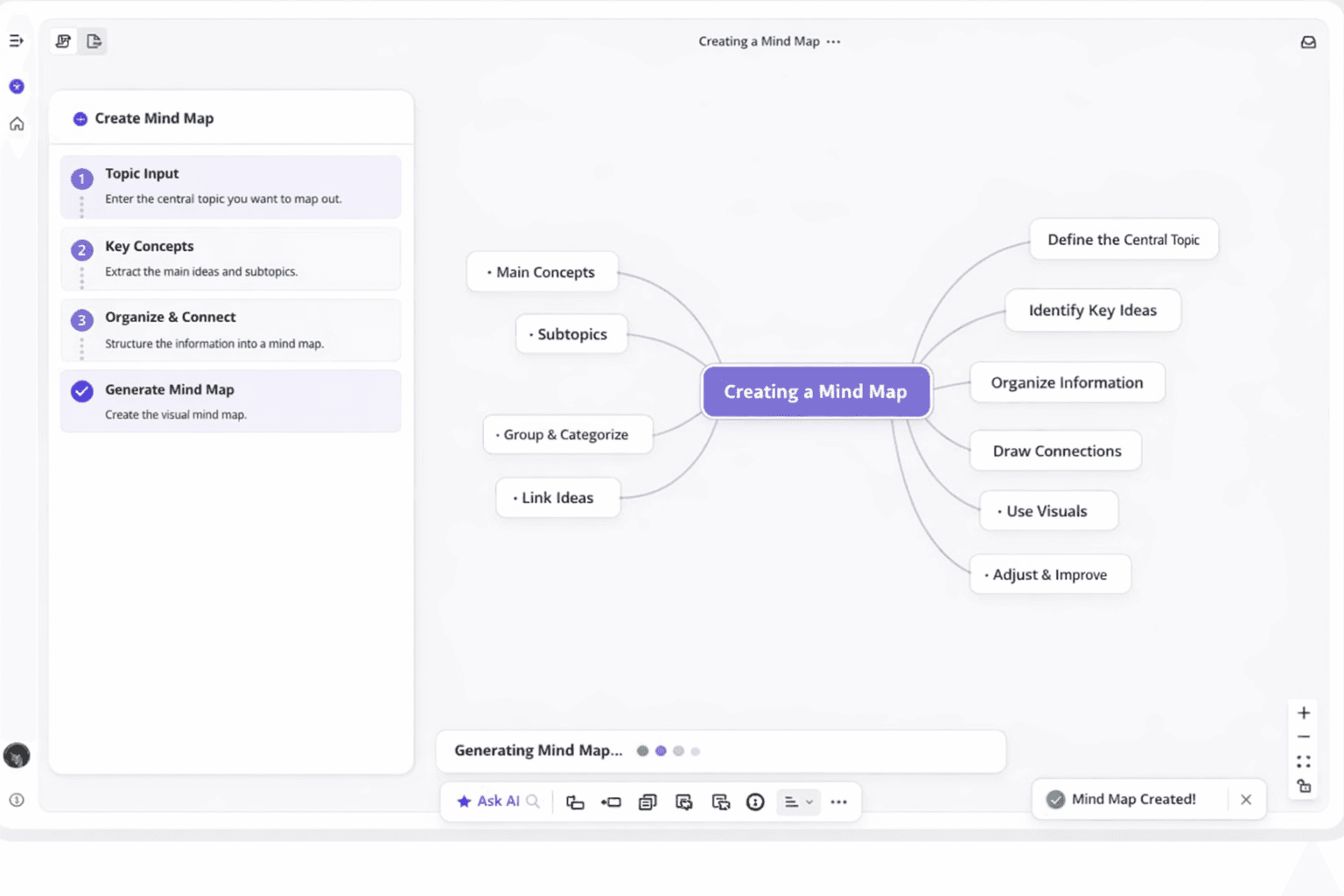
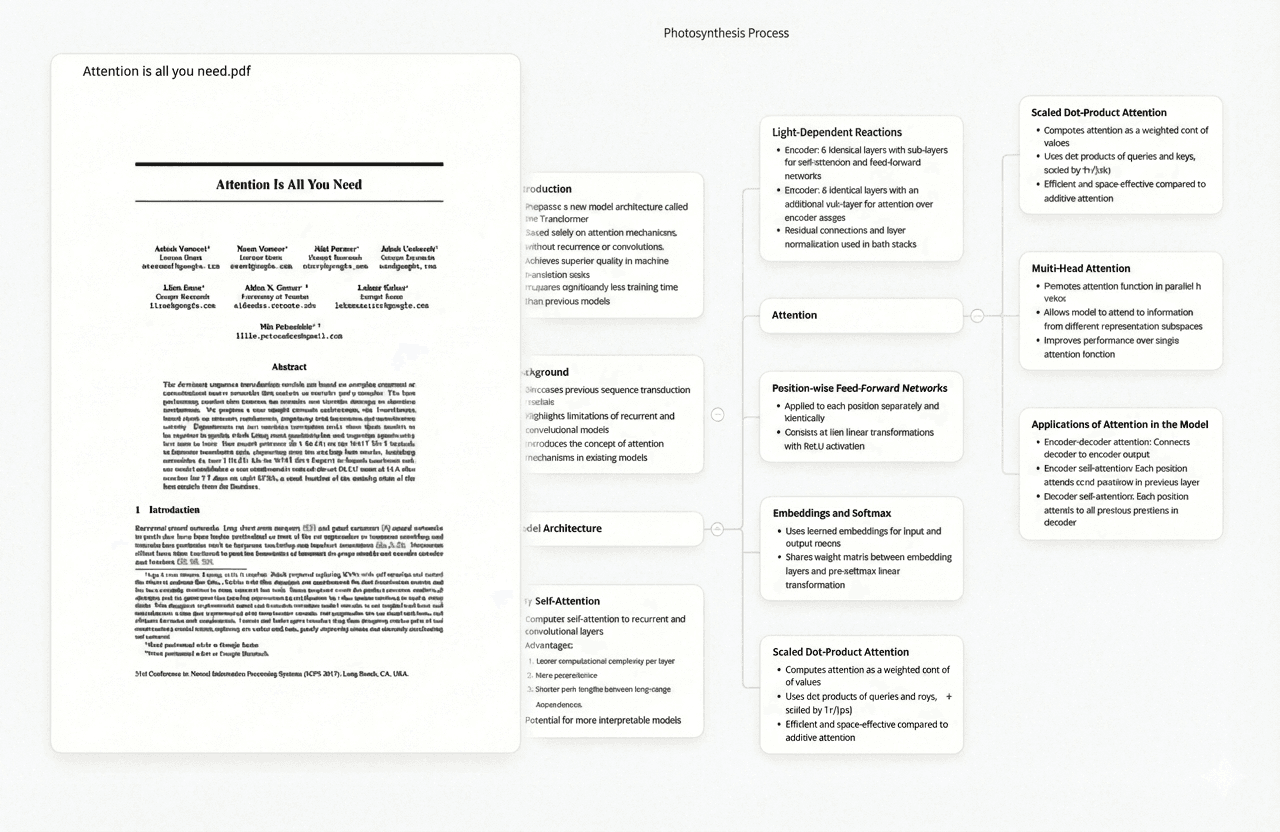
Visualization features transform these complex relationships into intuitive visual maps. You can see how different research topics connect, which authors collaborate frequently, and where conversations in your field are heading.
Platforms like SciSpace excel at creating these visual networks. You can explore citation chains, discover co-author relationships, and identify influential papers at a glance. The interpretability of these visualizations helps you understand your field's landscape quickly.
Finding Papers and Identifying Research Gaps
One of the most valuable features is the ability to identify research gaps. AI tools analyze millions of papers to find areas that haven't been thoroughly explored.
Using Elicit, the platform can surface papers that traditional searches might miss. It understands contextual relationships between studies, helping you build comprehensive literature reviews. The system recognizes patterns across data sources that would take months to identify manually.
These discovery features support systematic reviews by ensuring you don't overlook important studies. The AI examines citation patterns, methodology similarities, and conceptual connections.
AI-Powered Writing and Analysis Support
Finding research papers is just the beginning. The real challenge is analyzing findings and communicating your insights effectively.
Modern academic writing assistant tools do more than check grammar. They help you structure arguments, maintain consistent voice, and ensure your work meets academic standards.
Academic Writing Assistant Capabilities
An effective ai writer understands the conventions of academic discourse. It can suggest stronger vocabulary, identify unclear passages, and recommend structural improvements.
AI writing assistants help formulate compelling research questions by analyzing existing literature. They identify what's been asked before and suggest new angles.
The prompt you provide to an AI writing tool shapes its responses. Learning to craft effective prompts enhances the quality of suggestions you receive. Many platforms offer templates specifically designed for academic writing tasks.
These assistants also help with citation formatting, reference management, and maintaining consistent terminology throughout your work.
Deep Research and Data Synthesis
The ability to synthesize information from multiple sources is perhaps the most powerful feature. These systems can read hundreds of papers and extract key findings relevant to your specific questions.
Advanced llm technology enables these tools to understand nuanced arguments across different papers. They can identify agreements, contradictions, and gaps in the existing literature.
AI assistants excel at finding common threads across diverse data sources. They generate summary tables comparing methodologies, sample sizes, and key findings.
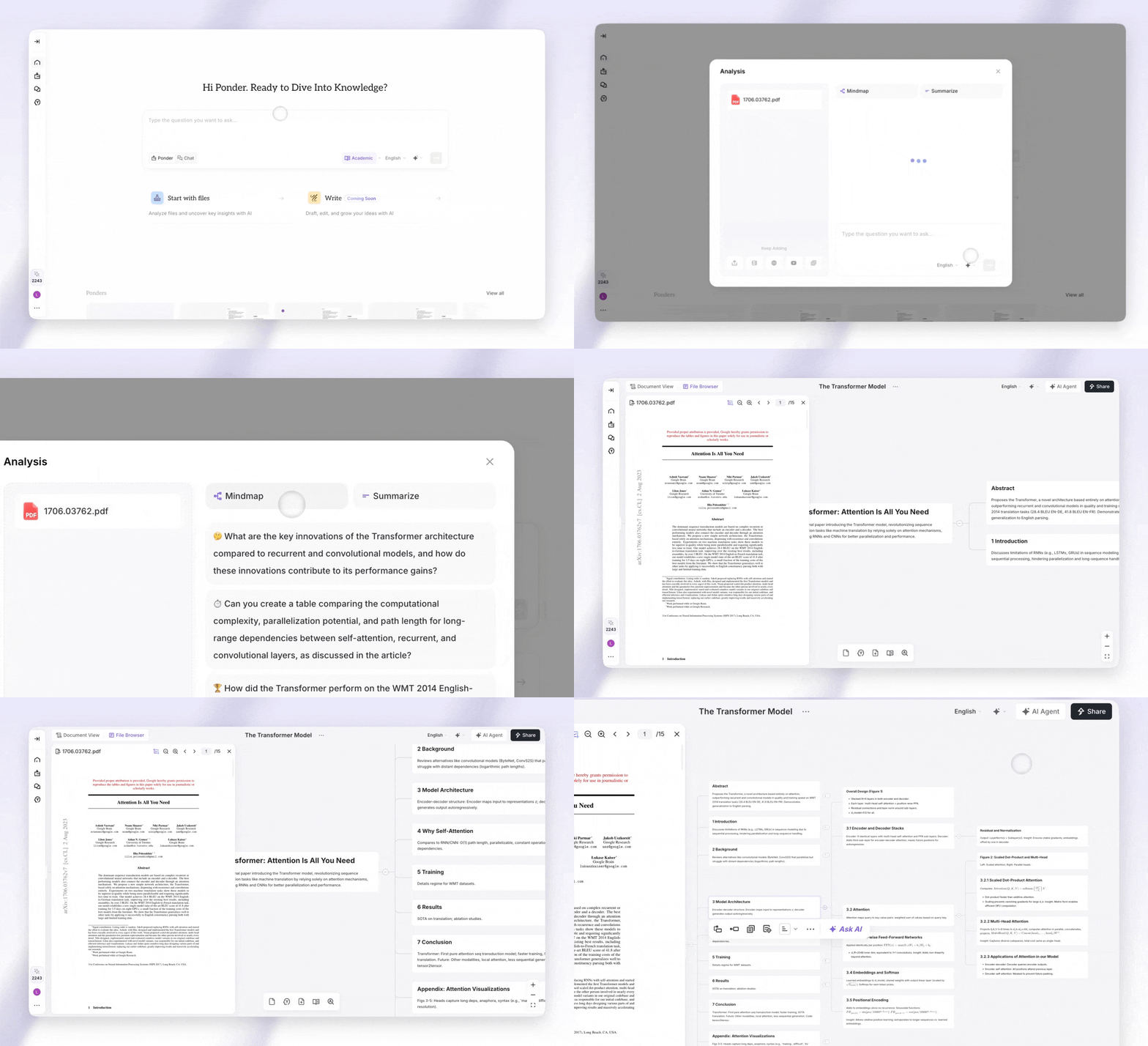
Working with PDF documents becomes seamless with AI tools that extract and organize information automatically. You can upload dozens of papers and ask specific questions about their contents.
Collaboration and Workflow Integration
Research rarely happens in isolation. The best AI tools include features that support teamwork and integrate smoothly into your existing workflow.
Modern platforms recognize that researchers and students work in diverse environments with varying needs.
Tools for Researchers and Students
Effective research tools provide shared libraries where teams can collect and annotate resources together. Multiple users can highlight passages, add notes, and discuss findings within the same document.
Project management features help coordinate research phases from initial literature review through final publication. You can assign tasks, track progress, and maintain organized reference collections.
Integration with popular reference managers ensures your workflow remains smooth. Most platforms allow seamless export to citation tools you already use.
AI Chat Assistant for Research Questions
The ai chat assistant feature revolutionizes how you interact with research databases. Instead of constructing complex search queries, you simply ask questions in natural language.
These conversational interfaces learn from your research questions over time. They recognize your interests and can suggest related papers you might find valuable.
You can ask follow-up questions, request clarifications, or explore tangential topics through the chat interface. The ai chat assistant maintains context throughout your conversation, building on previous exchanges.
The assistant draws from comprehensive academic databases to provide evidence-based answers. Every response includes proper citations, allowing you to verify information and explore sources deeper.
| Feature Category | Key Capabilities | Primary Benefits | Best Used For |
|---|
| Intelligent Search | Semantic search, visual mapping, citation analysis, contextual discovery | Find relevant papers faster, identify research gaps, understand field landscape | Literature reviews, topic exploration, systematic reviews |
| Writing Support | Academic style suggestions, argument structuring, citation formatting, clarity improvements | Improve writing quality, save editing time, maintain academic standards | Drafting papers, refining arguments, preparing manuscripts |
| Data Synthesis | Multi-source analysis, summary generation, pattern recognition, comparison tables | Synthesize findings quickly, identify trends, make informed decisions | Meta-analysis, literature synthesis, research planning |
| Collaboration Tools | Shared libraries, team annotations, project tracking, reference management | Coordinate team efforts, prevent duplication, maintain organization | Group projects, lab research, collaborative reviews |
| AI Chat Interface | Natural language queries, contextual responses, personalized suggestions, cited answers | Simplify complex searches, get instant insights, explore topics conversationally | Quick questions, exploration, learning new fields |
These essential features combine to create research environments that are more efficient, comprehensive, and accessible than ever before. By understanding how each capability supports your work, you can maximize the value of AI research tools.
Elevate Your Research Game With AI-Driven Intelligence
Academic research is changing fast. AI academic tools mark a fundamental shift in how scholars discover information. These tools help process knowledge across the new web of interconnected research.
Science teams work continuously to improve these platforms. They expand databases to include millions of papers. Robust evaluation processes refine algorithms to make them smarter and more useful.
Modern AI research assistants serve as complete platforms. They combine powerful academic search with reference manager functions. You can export citations in BibTeX format and integrate with your workflow.
These tools enhance your critical thinking rather than replace it. AI academic assistants handle tedious sorting through new research. You focus on analysis and innovation while technology amplifies your capabilities.
Getting started is easier than you might think. Most platforms offer intuitive interfaces for researchers at every level. The learning curve is gentle, and the payoff comes quickly.
Research databases continue to expand as AI capabilities advance. These assistants are becoming essential rather than optional. Embracing AI-driven tools today helps you tackle ambitious projects and make meaningful contributions tomorrow.