Every day, your business generates mountains of customer feedback reviews, support tickets, social mentions. Buried in all that text is the intelligence you need to grow.
Manual review can't keep up. Teams spend hours sifting through comments, trying to spot patterns, but it's inconsistent, exhausting, and impossible to scale.
That's where AI Text Analysis changes the game. Modern tools combine natural language processing with machine learning to process massive volumes of unstructured text automatically. They don't just read, they understand context, detect sentiment, and uncover the patterns that matter most.
The result? Actionable insights in minutes instead of weeks. With AI Text Analysis, you make faster, smarter decisions, understand your customers better, and stay ahead of competitors. From survey responses to chat logs, this technology makes sense of it all - no PhD required.
What Is AI Text Analysis and How Does It Work?
AI Text Analysis uses a sophisticated mix of natural language processing (NLP) and machine learning (ML) to read, understand, and extract meaning from human language. This transforms how businesses handle customer reviews, support tickets, and other feedback.
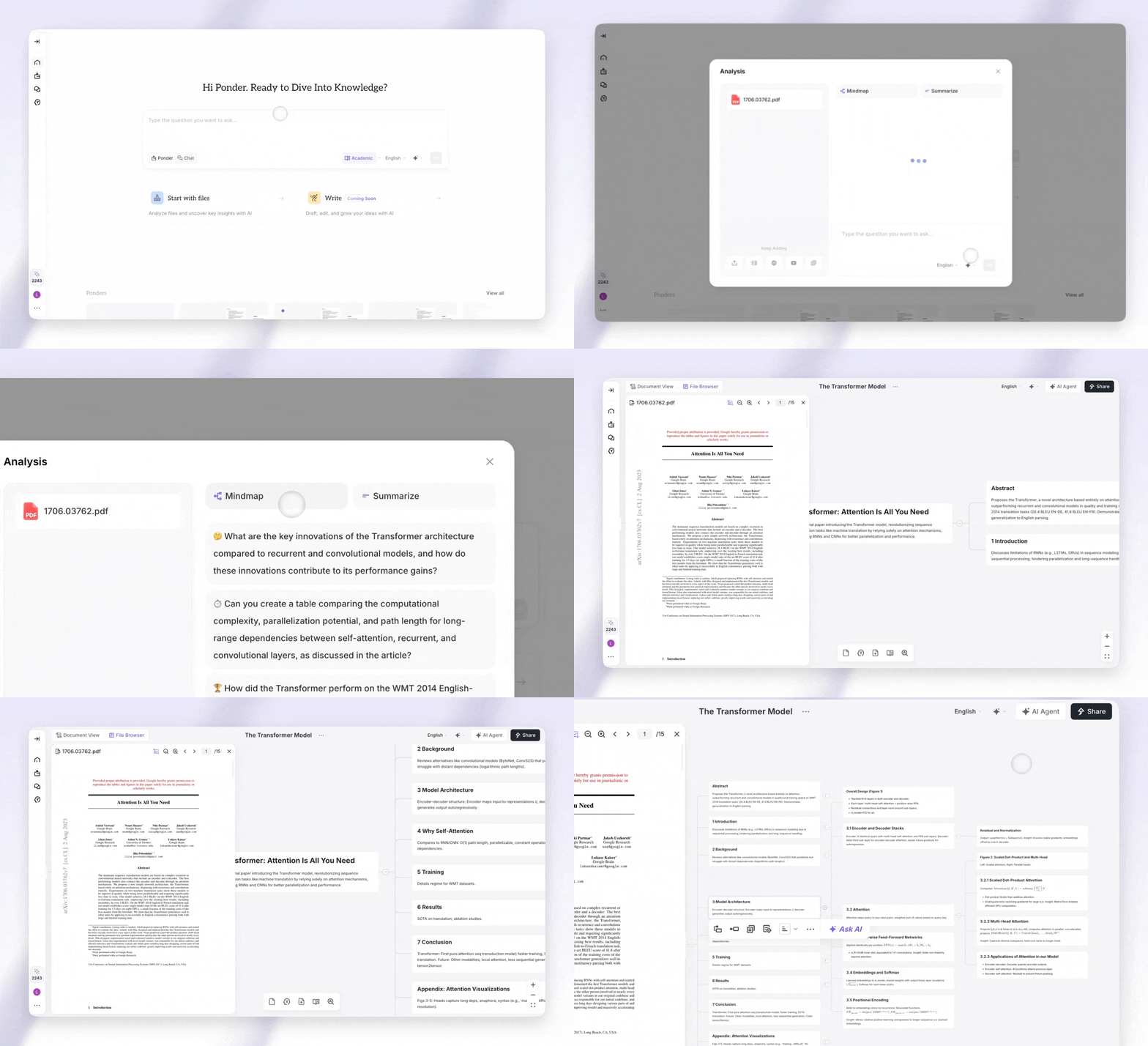
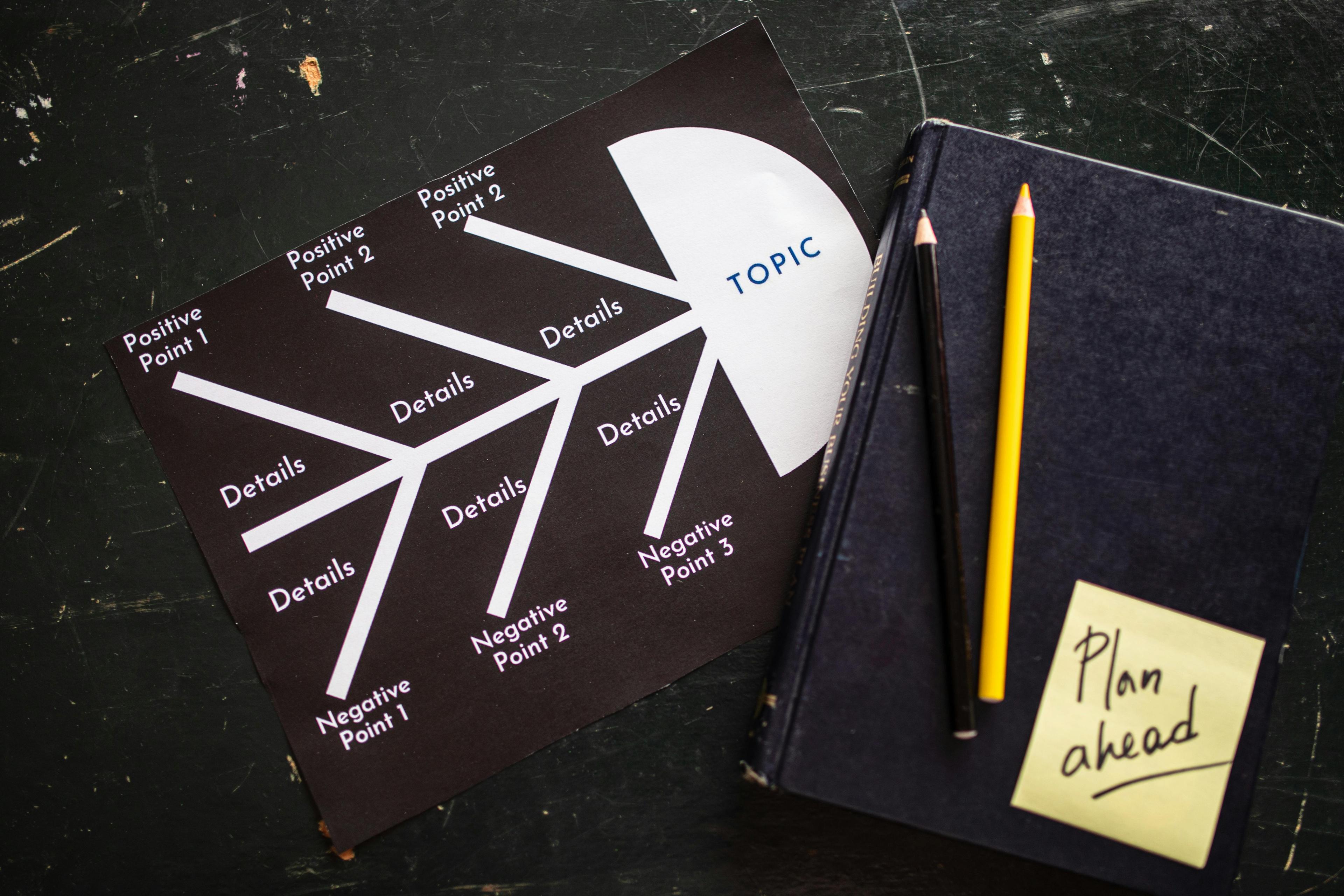
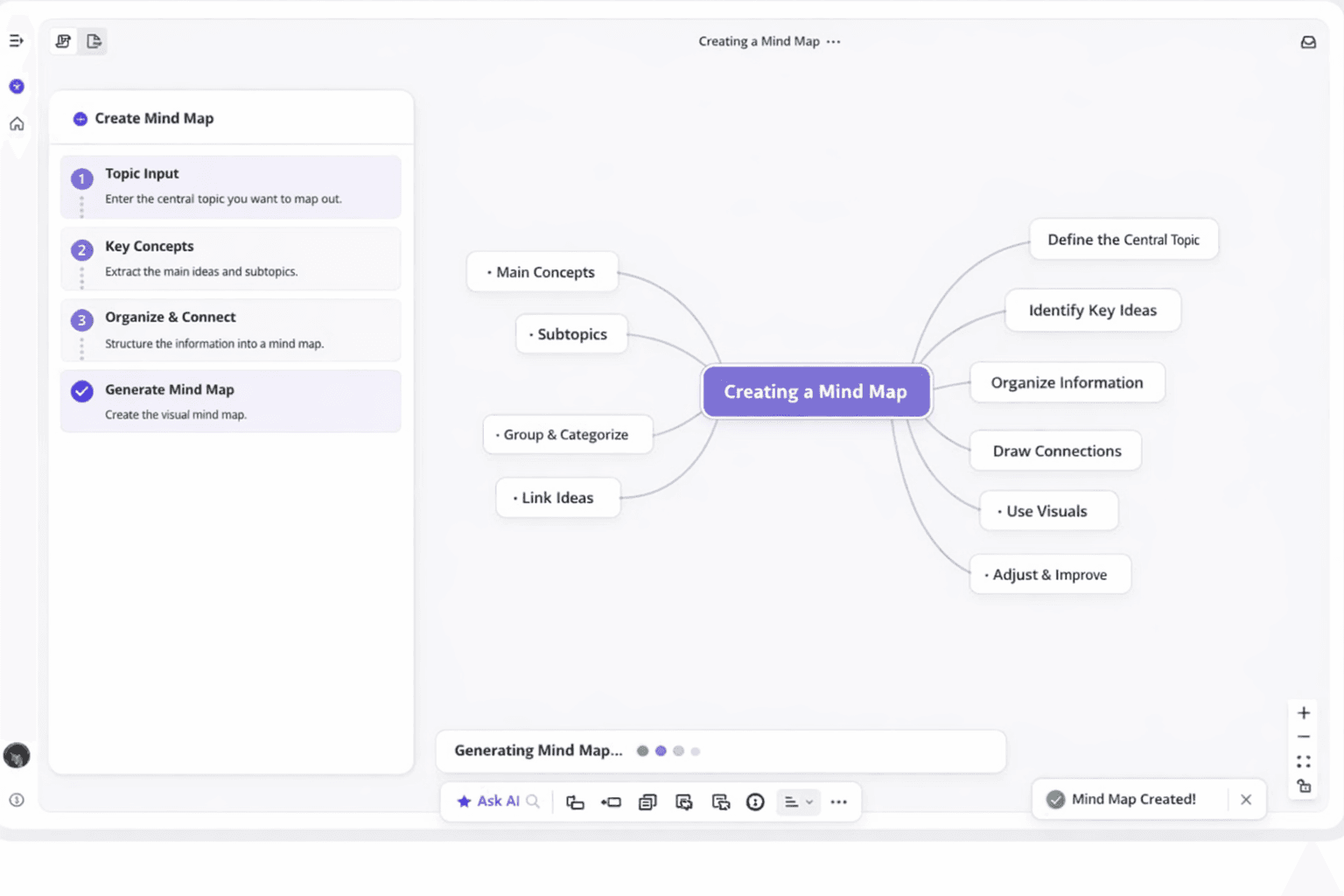
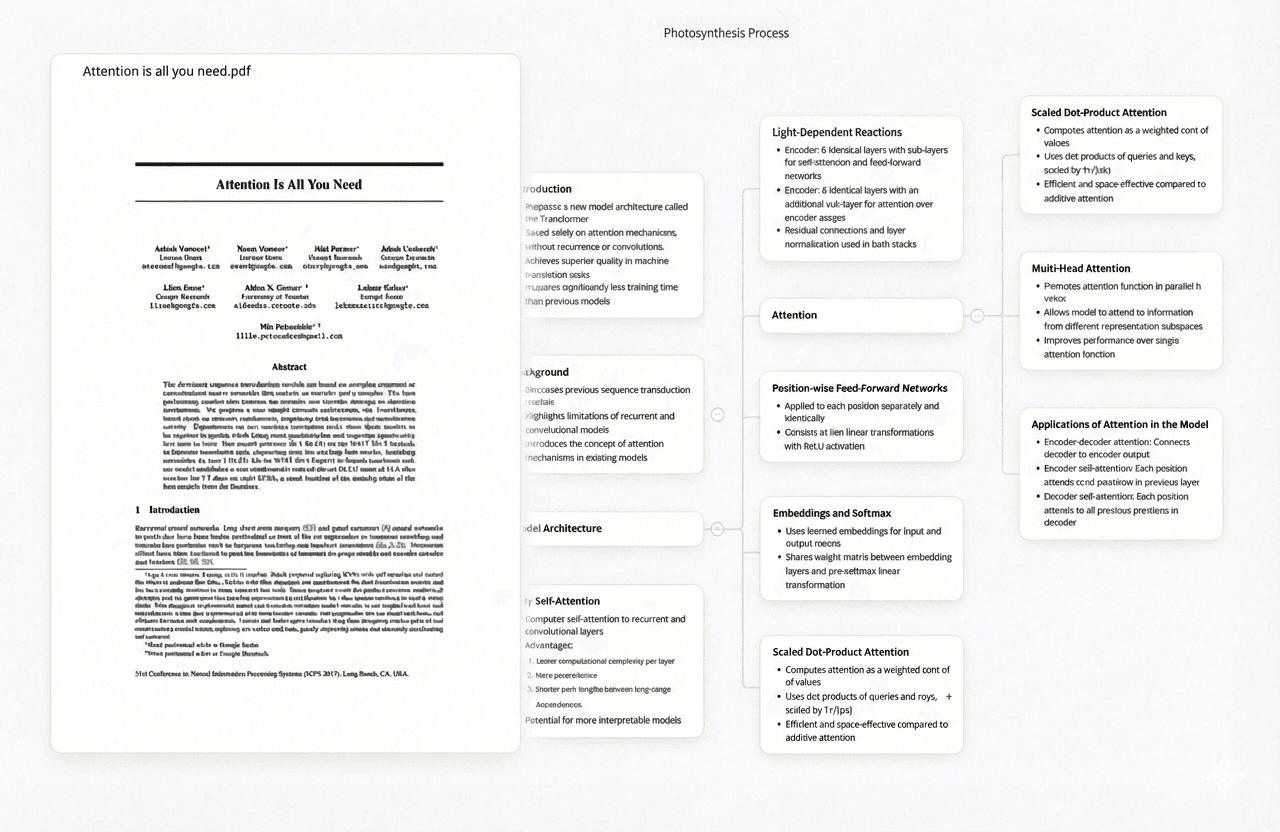
AI doesn’t just scan words—it comprehends context, detects sentiment, and identifies patterns, turning raw text into actionable insights like mindmapping.
Understanding Natural Language Processing and Machine Learning
Natural language processing is the foundation of AI Text Analysis, bridging human communication and machine understanding. NLP breaks down language into words, phrases, and their relationships, recognizing entities, parts of speech, and sentence structures.
Machine learning builds on this by learning patterns from labeled text examples. Over time, models predict outcomes accurately—even for text they haven’t seen before.
Combined, NLP and ML allow AI systems to understand context, detect sarcasm, and recognize nuanced sentiment. Large language models represent the next step, training on massive text datasets to develop a deep understanding of language patterns, grammar, and meaning.
Generative AI further extends AI Text Analysis capabilities, enabling AI document summarization, sentiment detection, and pattern recognition—moving beyond simple keyword matching to true language comprehension.
Turning Unstructured Text Data into Structured Insights
Most business text starts unstructured: emails, reviews, social media posts. These contain valuable insights, but manual analysis is slow and inconsistent.
AI Text Analysis converts this chaos into structured, actionable information. Text is first cleaned and prepped, then broken into analyzable units—words, phrases, and sentences.
For example, a review like “The delivery was late, but quality exceeded expectations!” contains mixed sentiment. AI text analysis examines each component, synthesizes the results, and provides clear, actionable insights—faster and more accurately than humans could.
Here's how the transformation unfolds across different analysis types:
| Input Text Type |
AI Processing Steps |
Structured Output |
Business Value |
| Customer support ticket: "Can't log in after update" |
Entity extraction, intent classification, urgency detection |
Category: Technical Issue | Priority: High | Topic: Authentication |
Route to correct team instantly, track common issues |
| Social media comment: "Best purchase ever! 🎉" |
Sentiment analysis, emoji interpretation, topic identification |
Sentiment: Positive (0.95) | Topic: Product Satisfaction | Emotion: Excited |
Identify brand advocates, measure campaign success |
| Survey response: "Shipping took 2 weeks, unacceptable" |
Aspect extraction, sentiment per aspect, theme clustering |
Aspect: Delivery Speed | Sentiment: Negative (-0.85) | Theme: Logistics |
Pinpoint improvement areas, prioritize operational changes |
| Product review: "Good battery but screen too dim" |
Feature extraction, comparative analysis, multi-aspect sentiment |
Battery: Positive (+0.70) | Display: Negative (-0.60) | Overall: Mixed |
Guide product development, inform marketing messaging |
The system text and categorizes information automatically, creating structured datasets from messy inputs. What once required manual spreadsheet entry becomes standardized, searchable data. You can filter by sentiment score, sort by topic, and aggregate insights.
This structured approach reveals patterns invisible to manual analysis. The AI might discover that 47% of negative reviews mention a specific feature. These insights emerge from processing volume that human analysis simply cannot match.
The output format depends on your needs. Some systems provide simple categorization—positive, negative, or neutral. Others deliver detailed JSON files with confidence scores, entity lists, and topic distributions.
This transformation happens at scale. Whether you're processing 100 reviews or 100,000, the AI applies the same consistent methodology. This consistency eliminates the variability that comes with human analysis.
How AI Text Analysis Tools Transform Your Text Data
Every day, companies gather mountains of customer opinions, survey responses, and written feedback. The challenge is turning this raw text into actionable insights that drive real business impact.
AI Text Analysis tools bridge that gap, automatically processing what customers say and revealing patterns that would take human teams months to uncover. Additionally, its AI data analysis feature helps you push the research further more.
These systems don’t just speed up workflows—they change what’s possible at scale. Organizations uncover hidden insights and respond to emerging issues before they escalate.
Automate Manual Analysis and Save Countless Hours
Manual analysis is slow and inconsistent. Teams read spreadsheets, highlight comments, and tally responses by hand. A single survey with 5,000 responses could take weeks to analyze.
With AI Text Analysis, the same data is processed in minutes with perfect consistency. AI models work 24/7, analyzing text accurately and efficiently.
The time savings are dramatic. Teams that once spent 60% of their week on manual analysis can now focus on strategy. One customer success manager reported reclaiming 25 hours per week after implementing automated feedback analysis.
| Analysis Method |
Time Required |
Consistency Level |
Scalability |
| Manual Review |
2-3 weeks for 5,000 responses |
Varies by analyst |
Limited by team size |
| Automated AI Analysis |
10-15 minutes for 5,000 responses |
100% consistent |
Handles millions of data points |
| Hybrid Approach |
2-3 days with human review |
High with AI baseline |
Flexible based on needs |
Extract Actionable Insights from Customer Feedback
Reading what customers write is one thing—understanding what they mean is another. AI Text Analysis provides deeper comprehension by identifying sentiment, emotion, and intent behind words.
For example, a comment like “The shipping was fast, but I expected better packaging” might appear positive at first glance. AI text analysis considers the full context, revealing a negative experience focused on packaging quality.
AI uncovers patterns across thousands of conversations, spotting emerging themes weeks before traditional reporting. It also identifies hidden opportunities—frequently requested features or unmet needs—turning feedback into actionable insights for product, marketing, and service improvements.
Advanced AI Text Analysis goes beyond keyword counting. Natural language understanding allows it to detect context, sarcasm, and nuanced opinions, ensuring decisions reflect what customers truly feel.
Scale Your Analysis Across Large Volumes of Data
High data volume creates challenges. A company receiving 500 support tickets daily generates over 180,000 conversations a year, not including surveys, social media, and reviews. Manual methods can’t keep up.
AI Text Analysis handles scale effortlessly. Whether analyzing 1,000 comments or 10 million, the system applies consistent criteria, providing both breadth and depth. Large organizations can analyze feedback from multiple markets simultaneously, gaining big-picture trends and detailed insights for specific issues.
This scalability transforms how companies listen to customers. Instead of quarterly sample reports, teams access real-time dashboards covering every interaction. Continuous insights enable agile responses, keeping organizations aligned with evolving customer needs.
Real-World Use Cases for AI-Powered Text Analysis
Real businesses use AI text analysis to solve practical problems and drive measurable results. The technology delivers concrete value across marketing, customer service, product development, and operations teams. It moves beyond theoretical benefits to create real impact.
Companies across industries have discovered specific applications that transform how they work with text data. These powerful tools help organizations understand customer needs better. They also enable smarter, faster decision-making.
Tracking Customer Emotions and Brand Perception
Sentiment analysis helps companies monitor how customers feel about their brand. Customer experience teams analyze text for tone across thousands of conversations, emails, and interactions. This continuous measurement tracks satisfaction levels in ways manual reading cannot match.
This approach goes far beyond simple positive or negative labels. Modern sentiment analysis detects nuanced emotions like frustration, excitement, confusion, or delight. These emotional signals help teams identify problems before they grow into bigger issues.
Companies gain insights in real-time about product launches, service changes, and brand campaigns. Customer experience managers receive alerts and can take action immediately. This proactive approach prevents small concerns from turning into reputation crises.
Major retailers use sentiment tracking to understand how shoppers respond to new store policies. Airlines monitor passenger sentiment across booking, flight, and post-travel communications. Both industries use these insights to improve their service quality.
Understanding Customer Needs at Scale
Support and product teams face a constant flood of feedback—thousands of support tickets, survey responses, and reviews. AI Text Analysis transforms this unstructured data into organized, actionable intelligence. The technology automatically identifies key issues, trending problems, and recurring questions, saving hundreds of hours while improving response quality. Survey responses are analyzed at scale to reveal patterns humans might miss, helping product managers prioritize features based on real customer needs rather than assumptions. Healthcare providers, software companies, and other organizations use AI to refine services and development roadmaps efficiently.
Staying Ahead of Brand Conversations
Social media monitoring is another challenge where AI Text Analysis excels. AI-powered tools continuously scan posts, comments, and reviews across multiple platforms, alerting teams to emerging issues, product feedback, or shifts in sentiment in real time. Brands—from restaurants to electronics and fashion—leverage these insights to detect negative trends, identify opportunities, and respond proactively. By analyzing both owned and third-party channels like Google, Yelp, and Trustpilot, companies gain a complete view of customer sentiment and market trends without missing critical signals.
Getting Started with AI Text Analysis Today
Getting started with AI Text Analysis is easier than you think. Begin by choosing a specific use case, like customer feedback or support tickets, and start small with a pilot project. Many AI text analysis tools offer free trials, allowing you to test insights without major commitments. Modern platforms feature intuitive interfaces—no data scientist required—and guide you step by step through uploading data and selecting analysis types.
With AI Text Analysis, you can quickly see results from even a small dataset. Top tools integrate seamlessly with existing systems and handle privacy concerns transparently. Implementation can take days rather than months, enabling you to transform raw text into actionable insights and make faster, data-driven decisions based on customer voices.