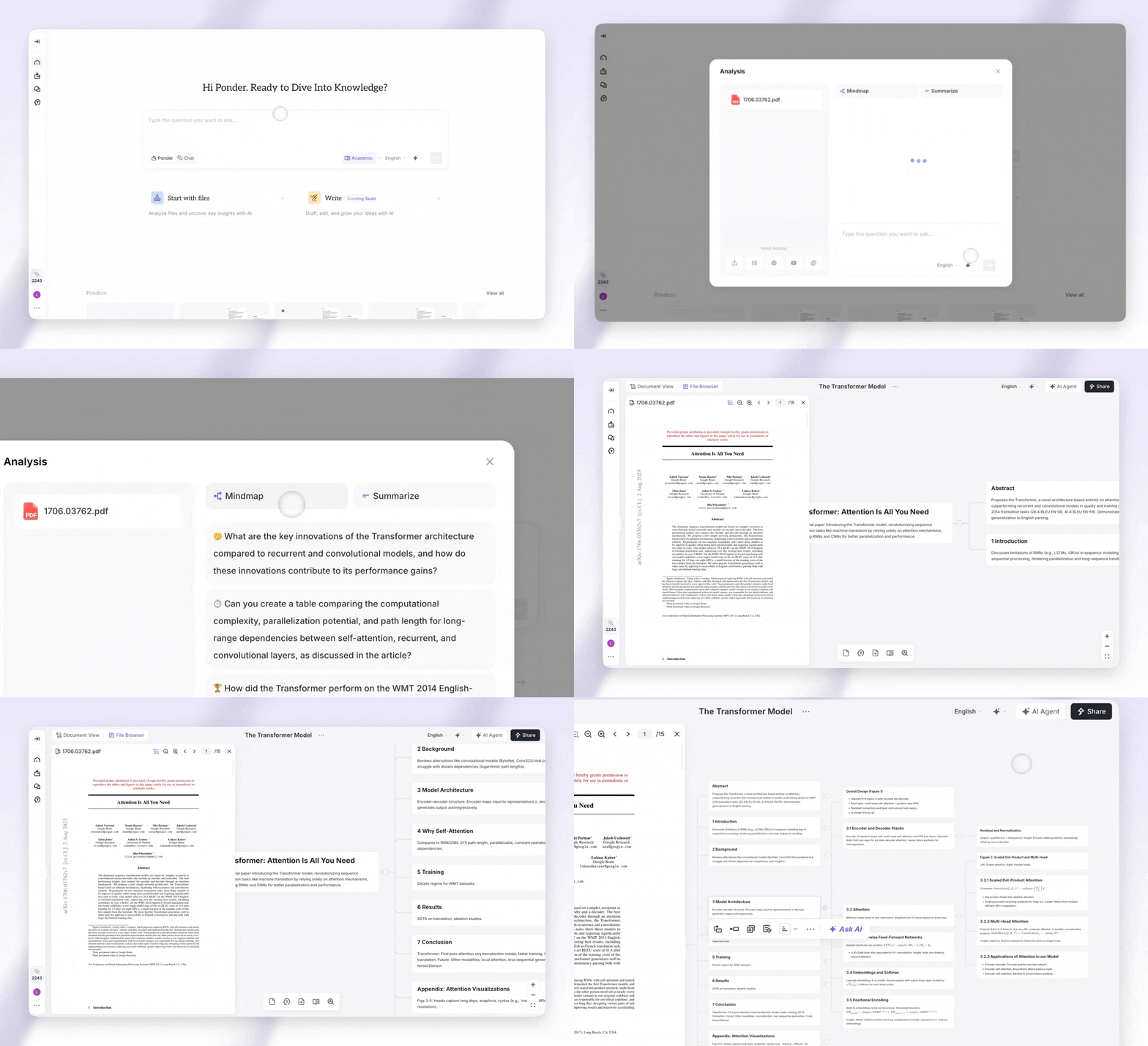
Every researcher faces the same frustrating challenge today. Academic papers pile up faster than anyone can read them. Sifting through countless sources steals time from actual discovery.
Ponder changes everything. This ai-powered research assistant helps you work smarter with academic literature. Instead of drowning in information, you'll find exactly what you need quickly.
Think of Ponder as your intelligent partner in discovery. It helps you streamline literature reviews and understand research faster than ever. You don't need technical expertise to get started.
Discover how Ponder fits into modern research workflows. Learn practical ways this solution saves time and improves accuracy. Advanced technology shouldn't feel complicated—and with Ponder, it doesn't.
What is AI Research Tool and How Does It Transform Research Workflows
Modern researchers face an overwhelming challenge: managing mountains of academic papers while extracting meaningful insights.
This process eats up valuable time. That time could be spent on actual analysis and discovery.
Ponder steps in as a game-changing solution designed specifically for this problem. It's an AI-powered platform that fundamentally reimagines how researchers interact with academic literature. Instead of juggling multiple tools, researchers get a unified workspace that handles the heavy lifting automatically.
The transformation happens across every stage of the research workflow. What once took days now takes hours. What felt chaotic becomes systematically organized.
Understanding Ponder AI Research Purpose for Modern Researchers
At its core, Ponder exists to solve real pain points that every researcher encounters. The platform recognizes that the volume of published research papers has exploded. Traditional methods make it nearly impossible to keep up.
Researchers need smarter tools that understand the unique demands of academic work.
Ponder acts as a comprehensive research companion rather than just another search tool. It understands that finding papers is only the beginning. You also need to read them efficiently and extract key findings.
You must connect ideas across multiple sources and synthesize information into new insights.
The platform addresses the frustration of scattered research materials. Many researchers have papers saved across different folders, cloud services, and bookmark lists. Ponder creates a centralized library where everything lives in one organized space.
You can finally stop wondering where you saved that important paper from three weeks ago.
Perhaps most importantly, Ponder reduces the cognitive burden of research. Instead of switching between reading, note-taking, organizing, and searching, you work within a single environment. This unified approach lets you explore your topic more deeply without constant workflow friction.
How the Platform Processes and Organizes Academic Papers
Behind Ponder's simple interface lies sophisticated AI technology that does the complex work automatically. You upload research papers to the platform, and the system immediately begins processing them. You don't need any technical expertise—the automation happens in the background while you continue working.
The platform extracts key information from each paper. This includes authors, publication dates, abstracts, methodologies, and main findings. This metadata becomes instantly searchable and helps you locate specific papers later.
The AI also identifies relationships between different papers in your library. It shows you how research builds on previous work.
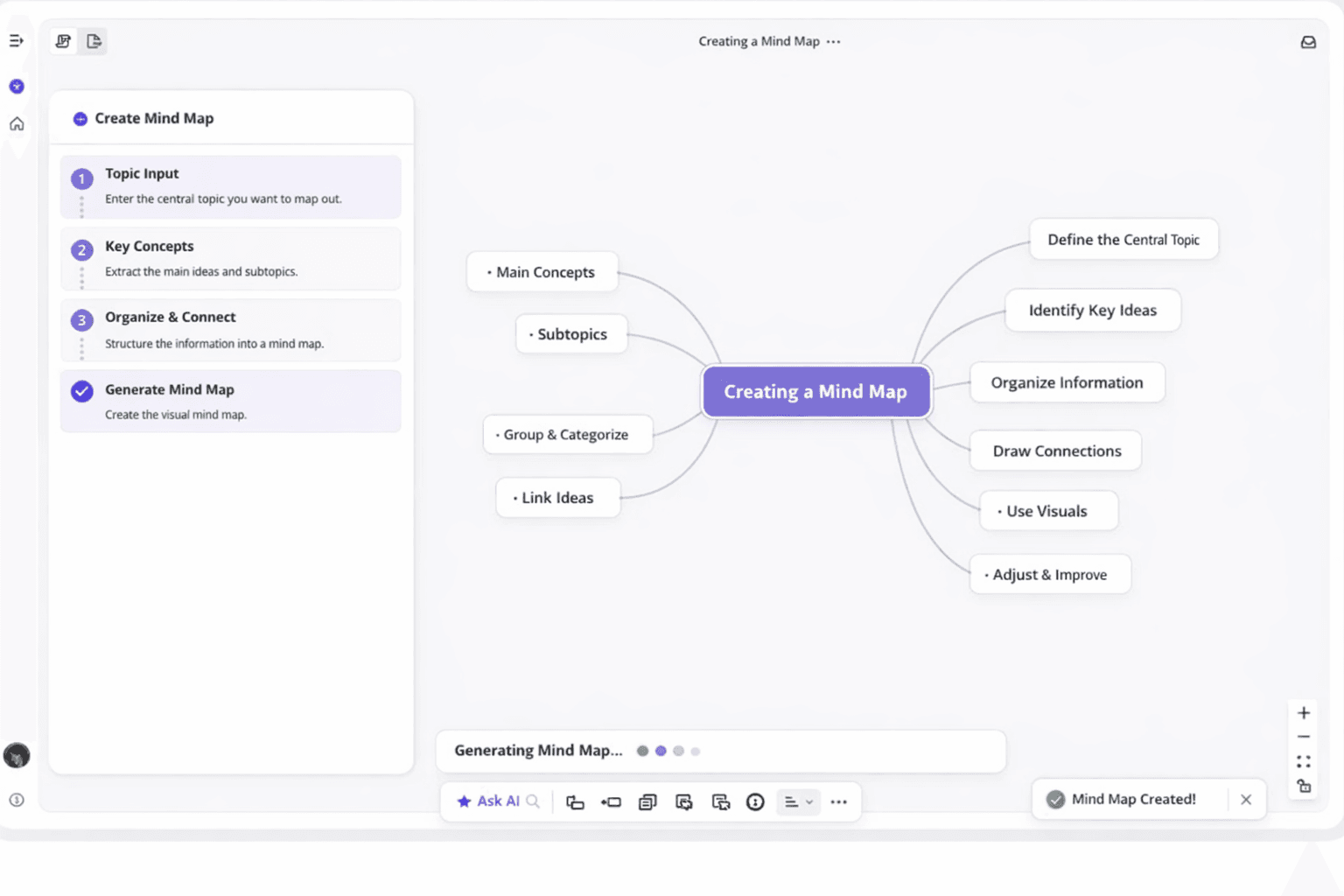
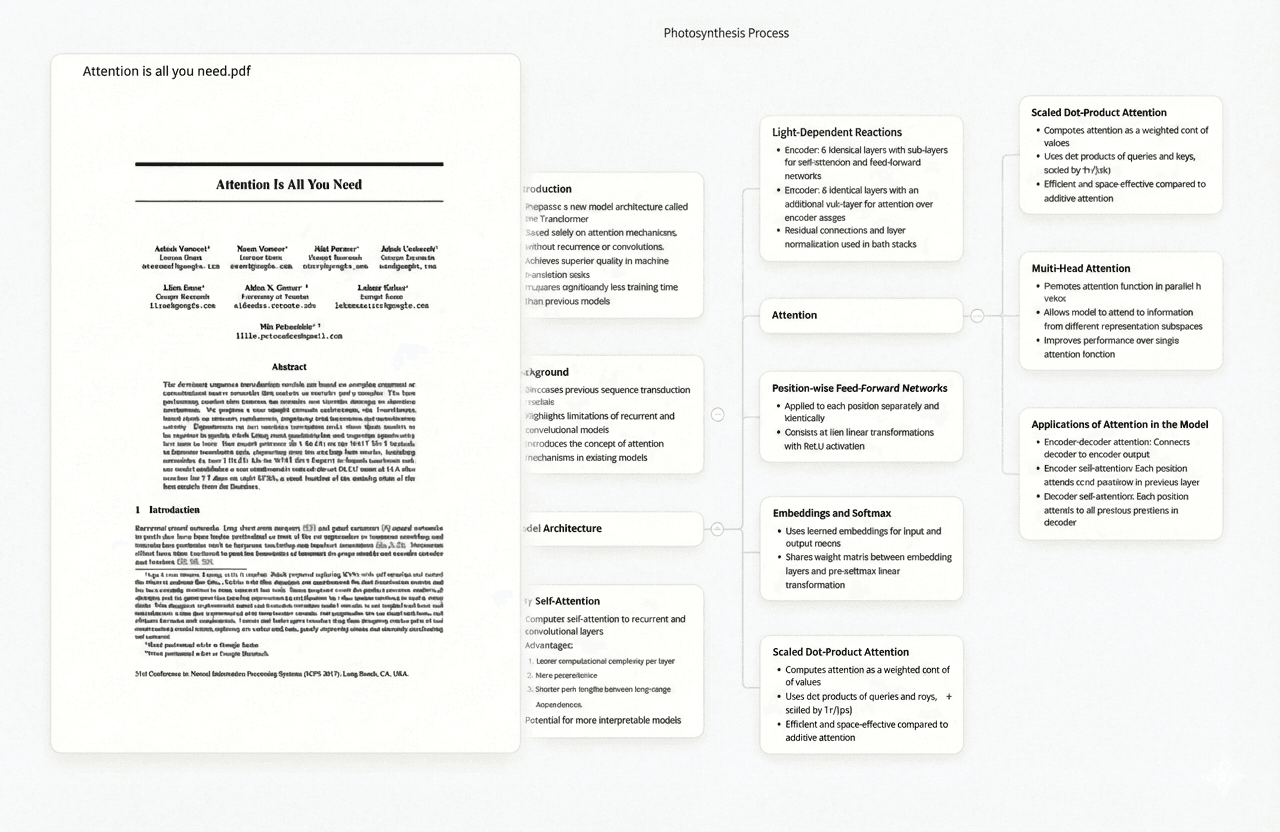
Ponder generates clear overview summaries for every document you add. These summaries capture the essential points without requiring you to read entire papers upfront. You can dive into specific sections for deeper details.
This tiered approach to information lets you work at whatever depth the moment requires.
The organization system adapts to how you work rather than forcing you into rigid categories. You can create custom collections and tag papers with relevant themes. You can build reading lists for different projects.
The platform maintains this structure automatically. Your research stays organized even as your paper collection grows.
Everything connects through an intelligent database that learns from your interactions. The more you use Ponder, the better it becomes at surfacing relevant papers and connections. This adaptive intelligence transforms research workflows from manual labor into streamlined processes that amplify your analytical capabilities.
Key Features That Make Ponder a Powerful AI Research Tool
Ponder's carefully designed features address real-world challenges researchers face daily. The intelligent tools work the way you naturally think and research. Each feature builds on the others to create a seamless experience.
Ponder saves time while improving the quality of your research outcomes. The platform handles technical heavy lifting from finding papers to extracting insights. You can focus on analyzing information and advancing your research goals.
Intelligent Search with Natural Language Queries
Traditional search tools require you to master complex Boolean operators and exact keyword matching. Ponder understands what you mean, not just what you type. You can search using everyday conversational language.
The platform uses semantic search technology to grasp the intent behind your queries. Ponder understands the relationships between concepts in your search. It finds papers even if they use different terminology.
This semantic approach helps you find papers you might have missed with keyword searches. The system recognizes synonyms, related concepts, and contextual connections across millions of sources. You spend less time crafting queries and more time reviewing results.
Ponder's intelligent search learns from academic databases similar to Semantic Scholar. Your search results reflect scholarly relevance, not just keyword frequency. The platform prioritizes papers based on citation patterns and research quality.
Smart Summarization and Information Extract Capabilities
Reading dozens of lengthy academic papers can consume weeks of research time. Ponder's summarization features condense complex papers into digestible overviews without losing critical information. Within seconds, you can understand a paper's main arguments and conclusions.
The extract key findings feature identifies specific data points and research outcomes. Instead of scanning through pages of background information, you jump straight to insights. This saves valuable research time.
This capability proves especially valuable during literature reviews. You can quickly assess 50-100 papers to determine which deserve a full read. The AI identifies patterns across multiple sources.
Ponder understands academic structure and doesn't summarize randomly. The system recognizes methodology sections, results, limitations, and future research suggestions. You get organized, relevant extracts that align with how researchers use information.
Citation Management and Source Verification
Academic integrity depends on accurate citations and trustworthy sources. Ponder includes built-in citation management that automatically formats references in multiple styles. You never worry about misplaced commas or incorrect formatting again.
The verify feature adds another layer of scholarly rigor. Ponder cross-references citations to ensure accuracy and checks source credibility. This helps you maintain trust and avoid citing questionable sources.
The system tracks original publication details, DOI numbers, and access information. This creates a reliable audit trail for your research. You have immediate access to complete source verification if needed.
The platform alerts you to potential citation issues. Ponder notifies you if a cited paper has been updated or retracted. This proactive approach protects your research credibility.
Chat-Based Research Assistant for Deep Analysis
Ponder's chat interface transforms how researchers interact with source materials. Instead of manually cross-referencing papers, you can ask questions directly. The chat feature understands relationships between papers in your collection.
You might ask about methodologies researchers used to study a topic. The AI assistant searches your curated sources and extracts relevant information. It even cites which papers contain each piece of information.
This conversational approach makes deep analysis accessible to researchers at all levels. You can explore connections between papers that might not be obvious. The chat assistant identifies contradictions and research gaps across your sources.
The system remembers your conversation context for follow-up questions. If an answer sparks a new research direction, you can dive deeper immediately. This dynamic interaction accelerates the research discovery process significantly.
| Feature | Traditional Research Tools | Ponder AI Capabilities | Time Saved |
|---|
| Search Functionality | Keyword-based Boolean searches requiring exact terminology and operators | Natural language queries with semantic understanding of research intent | Up to 60% faster paper discovery |
| Paper Analysis | Manual reading of complete papers to assess relevance and extract findings | AI-powered summarization and automatic extraction of key research insights | Reduces review time by 70% per paper |
| Citation Management | Manual formatting and verification of sources with risk of human error | Automated citation formatting with built-in source verification and credibility checks | Eliminates 90% of citation formatting work |
| Research Analysis | Sequential reading and note-taking to identify patterns across multiple sources | Interactive chat assistant that answers questions across entire research corpus | Accelerates analysis phase by 50-65% |
Each feature works together to create a comprehensive research environment. The search capabilities help you find papers while summarization tools evaluate them. Citation management keeps your work organized as the chat assistant extracts deeper insights.