Feeling overwhelmed by scattered thoughts? An idea mind map can help. This visual tool turns abstract ideas into clear, organized diagrams. By placing your main idea at the center and letting related thoughts branch out, an idea mind map mirrors how your brain works. It’s simple to use—students rely on idea mind maps for studying, and professionals use them for planning. Anyone can visualize complex information easily and see their thoughts take shape with an idea mind map.
What Is an Idea Mind Map and How Does It Work?
A mind map is more than just a diagram. It's a visual representation of how your brain naturally processes information. Unlike traditional linear notes, mind mapping AI let your thoughts branch out freely.
This approach matches the way your brain actually works. It makes capturing and organizing ideas much easier and faster.
You start with one main thought and let related ideas flow outward. Each branch represents a connection your brain makes naturally. This visual structure helps you see relationships between different pieces of information.
The mind mapping process works like a brainstorm mapping because it taps into your brain's natural preferences. Our minds think in images, colors, and associations rather than rigid lists. A well-designed mind map shows information in a way that feels intuitive and memorable.
The Visual Diagram That Mirrors Your Thinking
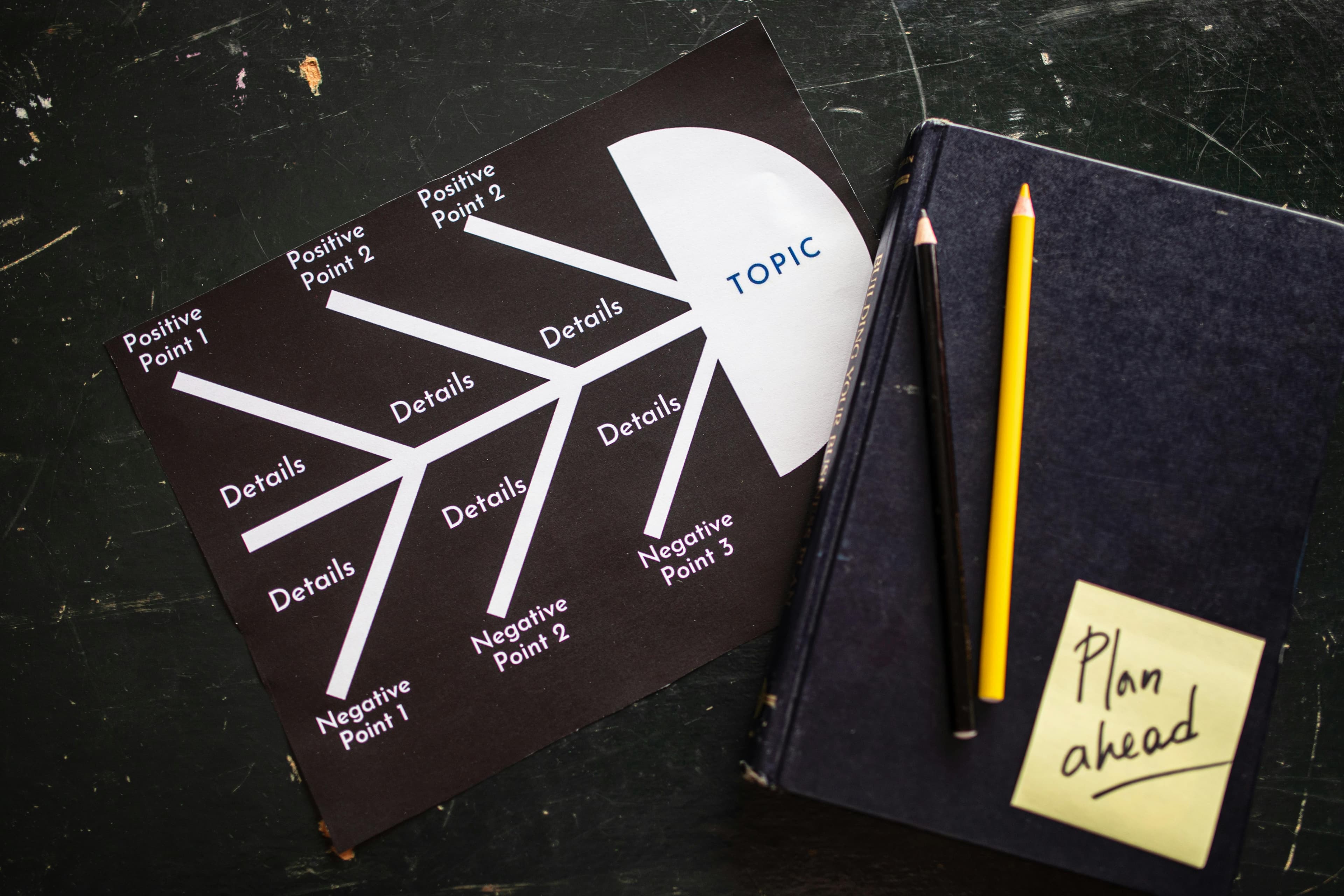
Mind maps mirror the neural pathways in your brain. You place your central idea in the middle of the page. This creates a starting point that radiates outward.
This radial structure resembles how neurons connect and fire in your mind. Think about how you naturally remember a story or plan your day. You don't think in bullet points—you create mental pictures with connections.
That's exactly what a mind map example demonstrates on paper or screen. The visual nature of mind mapping activates both sides of your brain. The left hemisphere handles words and logic.
The right side processes colors, images, and spatial relationships. Both hemispheres work together to enhance your thinking power.
This dual-brain activation explains why people often have "aha moments" while mind mapping. The format encourages your brain to make unexpected connections between ideas. These creative leaps happen because you're working with your brain's natural design.
Key Elements: Nodes, Branches, and Connections
Every mind map consists of three fundamental building blocks that work together seamlessly. Understanding these elements helps you create more effective visual diagrams. You can use them for any purpose.
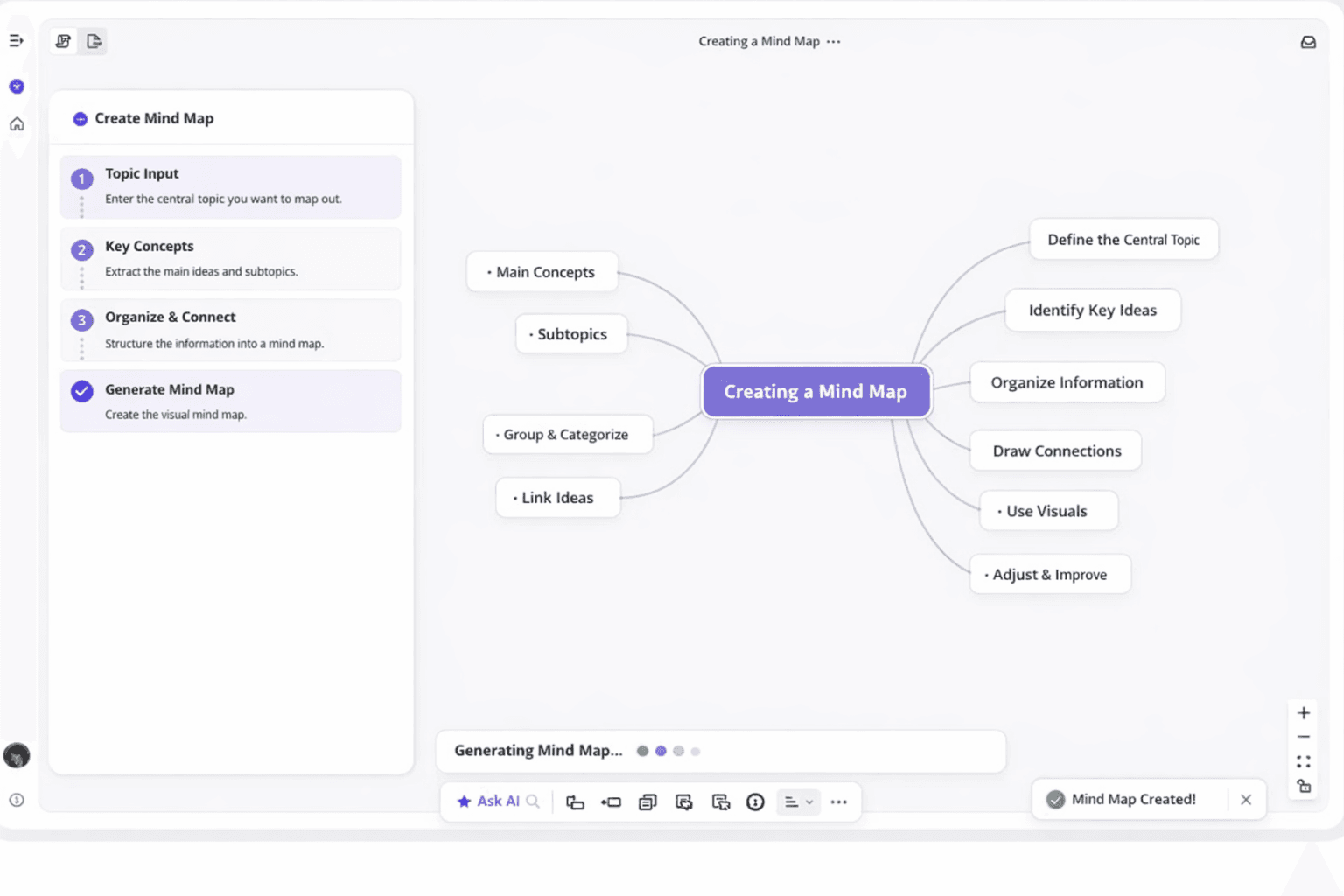
The first element is the central node—your main topic in the middle of your workspace. This focal point anchors everything else. The central node defines what your entire mind map addresses.
Branches extend from this center like tree limbs. Each major branch represents a primary category or key theme. These main branches then split into smaller sub-branches.
This creates a hierarchy of information that's easy to follow. Nodes appear at the end of each branch. They contain specific ideas, facts, or tasks.
A single node might hold a keyword, short phrase, or even a small icon. The beauty of this system is its flexibility. You can add as many nodes as you need without losing clarity.
| Element |
Purpose |
Best Practice |
| Central Node |
Defines main topic and serves as anchor point |
Keep it clear, bold, and visually distinct from other elements |
| Primary Branches |
Organize major themes or categories |
Limit to 5-7 main branches for optimal clarity |
| Sub-Branches |
Break down primary themes into specific details |
Use different colors or thicknesses to show hierarchy |
| Connection Lines |
Link related ideas across different branches |
Add arrows or labels to clarify relationships |
Connections between nodes create the real magic of mind mapping. These linking lines show how different thoughts relate to each other. They work even when ideas appear in separate branches.
A concept map becomes truly powerful when you draw these cross-connections. They reveal hidden patterns you might have missed. The spacing and layout of your elements matter too.
Give each node room to breathe. Crowded mind maps become hard to read and defeat the purpose of visual clarity.
Choosing Your Idea Mind Mapping Tools
When choosing your idea mind map tools, you can go with classic pen and paper or use digital platforms. Hand-drawn idea mind maps are great for quick brainstorming and spark creativity. Digital idea mind map tools, however, offer features like unlimited space, easy editing, and instant sharing. You can start with free online idea mind map software, which usually includes templates and simple tools. As your needs grow, try more advanced idea mind map apps that let you customize with colors, icons, and images. A well-designed idea mind map not only looks good but also helps you remember information better.
| Factor |
Why It Matters |
Questions to Ask |
| Ease of Use |
Simple interfaces help you focus on ideas, not technology |
Can I start creating within minutes? Is the learning curve manageable? |
| Template Library |
Pre-built templates accelerate your workflow |
Does it offer free templates for my specific use cases? |
| Collaboration Features |
Team projects require real-time sharing and editing |
Can multiple users access your mind map and edit simultaneously? |
| Export Options |
You need to share or present your work in various formats |
Can I export as PDF, image, or integrate with other tools? |
| Platform Compatibility |
Work seamlessly across your devices |
Does it sync between desktop, tablet, and phone? |
Online platforms make creating an idea mind map easy and collaborative. Teams can build the same idea mind map together in real time, making virtual brainstorming just as effective as meeting in person. Many tools offer free templates for quick starts, from project planning to study guides. Choose an idea mind map tool that fits your needs—simple ones work for brainstorming, while advanced software is better for managing complex projects. Start with a free option to see what you like. The best idea mind map tool is the one you’ll use regularly to turn scattered thoughts into clear, organized visuals.
Benefits of Idea Mind Mapping for Brainstorming and Planning
Mind mapping revolutionizes how individuals and teams organize complex ideas for academic writing or product prototyping. This method goes far beyond simple note-taking. Using mind mapping makes it easy to capture, structure, and develop thoughts effectively.
Traditional linear methods can't match this visual approach to brainstorming and planning. Mind maps transform abstract concepts into clear, actionable insights. This leads to better decision-making and more creative solutions.
Mind maps unlock potential hidden in conventional planning methods. The power lies in mirroring natural thought processes. Structure turns chaos into clarity.
Transform Chaos Into Clarity
Mind mapping creates a visual framework that reveals hidden patterns and relationships. A mind map helps break down complex ideas into manageable pieces. Overwhelming projects suddenly feel achievable.
You can quickly capture ideas without worrying about perfect organization. This beats staring at a blank page wondering where to start.
The visual nature matches how your brain naturally processes information. You start with a central concept and branch outward. Supporting ideas get added as they emerge.
This organic growth pattern reveals connections between seemingly unrelated ideas. Mind maps make it easier to visualize entire project scope. You maintain focus on individual components simultaneously.
You can explore ideas at different levels of detail. Zoom in on specific branches or pull back for the big picture. This flexibility helps with abstract ideas that resist traditional outlining.
Modern mind map software enhances organizational power with instant features. You can filter, search, and reorganize branches quickly. Color-code related concepts and add icons for priority levels.
Attach documents or links directly to relevant nodes. These capabilities turn your mind map into a dynamic workspace.
Ignite Creative Thinking and Innovation
Mind mapping and brainstorming unleash your creative potential in remarkable ways. The non-linear structure encourages free idea generation without self-censorship. Capture ideas quickly as they arise during brainstorming sessions.
The visual format stimulates different parts of your brain. This multi-sensory engagement helps generate new ideas and solve tough problems. Colors, shapes, and spatial relationships trigger associations that linear note-taking can't activate.
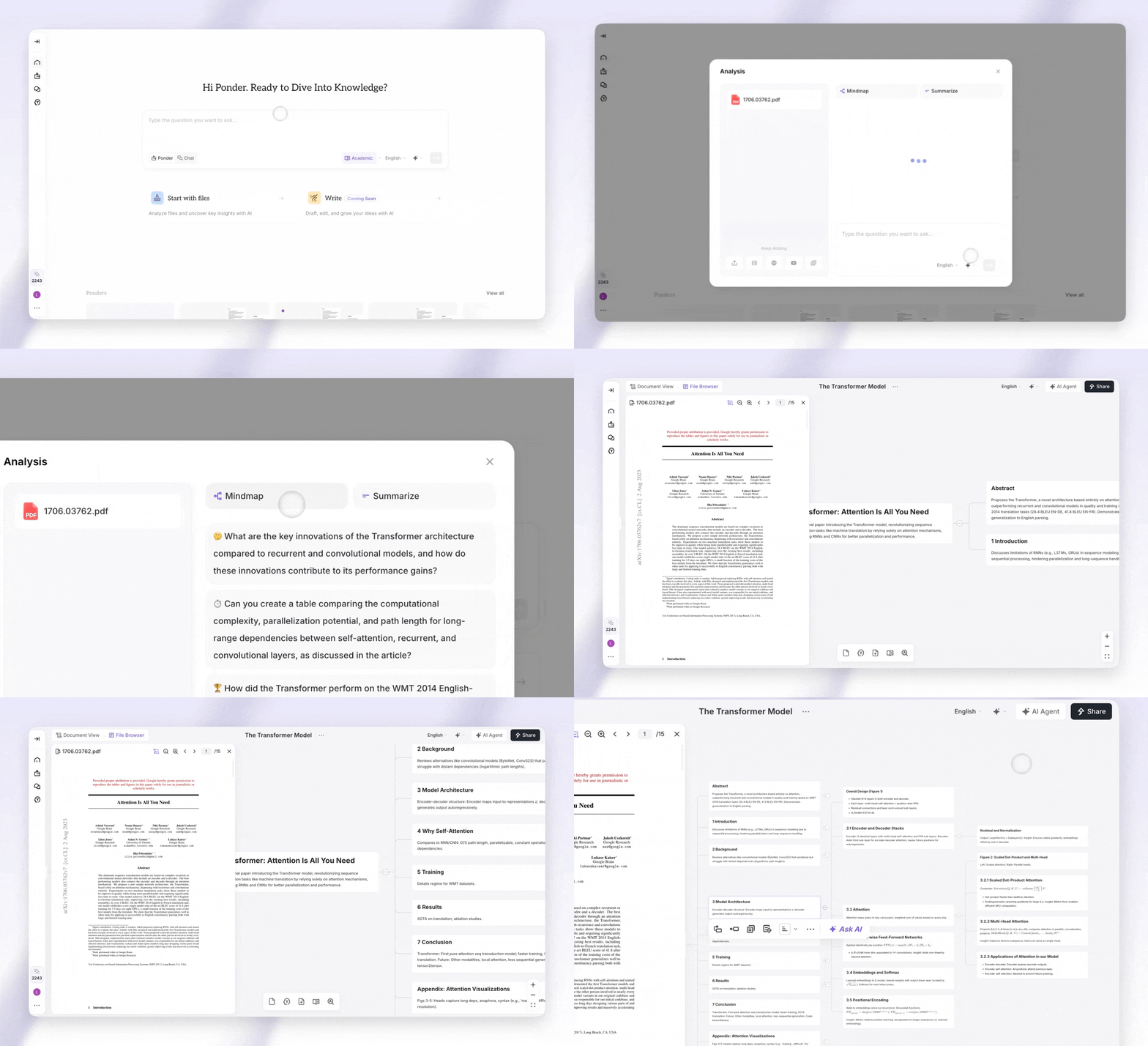
AI-powered mind maps take creative thinking even further. The technology analyzes your existing branches and proposes related concepts. AI helps expand your thinking by offering new perspectives.
These ai features work particularly well during mental blocks. The technology suggests supporting ideas based on your central theme. This combination creates a powerful environment for brainstorming new ideas.
Mind mapping encourages risk-taking with creative ideas. You can easily add, move, or delete branches without judgment. This experimentation often leads to breakthrough insights.
Real-World Applications That Drive Results
Mind mapping is very useful in project management. It helps break down big projects into smaller, clear tasks and shows how everything connects. This makes it easier to spot problems early and manage resources well. You can turn your mind map into timelines, task lists, or Gantt charts for better planning and execution.
Collaborative mind mapping lets teams work together in real time, no matter where they are. Everyone can add ideas, comment, and assign tasks. You can also export your mind map for presentations or reports, making teamwork and communication much smoother.
| Application Area |
Key Benefits |
Best Use Cases |
| Project Management |
Break complex projects into manageable tasks, visualize dependencies, track progress visually |
Product launches, event planning, construction projects, software development sprints |
| Team Brainstorming |
Capture all voices, build on collective ideas, create shared understanding quickly |
Strategy sessions, problem-solving workshops, innovation initiatives, campaign planning |
| Strategic Planning |
Align big ideas with actionable steps, identify gaps, connect short-term actions to long-term goals |
Business planning, organizational development, market expansion, change management |
| Knowledge Management |
Organize information hierarchically, create searchable knowledge bases, onboard new team members efficiently |
Documentation systems, training programs, research compilation, process mapping |
Mind mapping excels at helping you present ideas persuasively. The visual format makes complex information accessible to varied audiences. Stakeholders grasp relationships and implications faster than from text-heavy slides.
As projects progress or strategies shift, you can update your map. This adaptability makes mind mapping valuable throughout any initiative's lifecycle.
Are there different types of Idea mind maps for different purposes?
Yes, there are many types of mind maps for different needs. For example, you can use a basic mind map for brainstorming ideas, a more organized one for planning projects (with sections for tasks, deadlines, and resources), or a study mind map to sort information by topic. You can make your mind map as simple or as detailed as you want, depending on your purpose.
How do AI-powered mind maps enhance the creative process?
AI-powered mind maps make brainstorming easier by suggesting related ideas and showing connections you might not notice. They can help organize your mind map better and even turn your notes into a visual map automatically. Some tools can also turn your mind map into documents or project plans, making it easier to take action on your ideas.
What makes a beautiful mind map effective, and does design really matter?
Yes, design does matter. Using colors, icons, and images helps you group ideas and remember information more easily. A clear and attractive layout makes your mind map easier to read and understand. However, the most important thing is that your mind map is organized and clear, so you can use it effectively.
How can I turn my mind map into an actionable project plan?
To turn your mind map into a project plan, look for the branches that are actual tasks. Add deadlines, priorities, and assign people to each task if needed. Many mind mapping tools let you turn these branches into to-do lists or export them to project management software. This way, your mind map becomes a practical guide for getting things done.