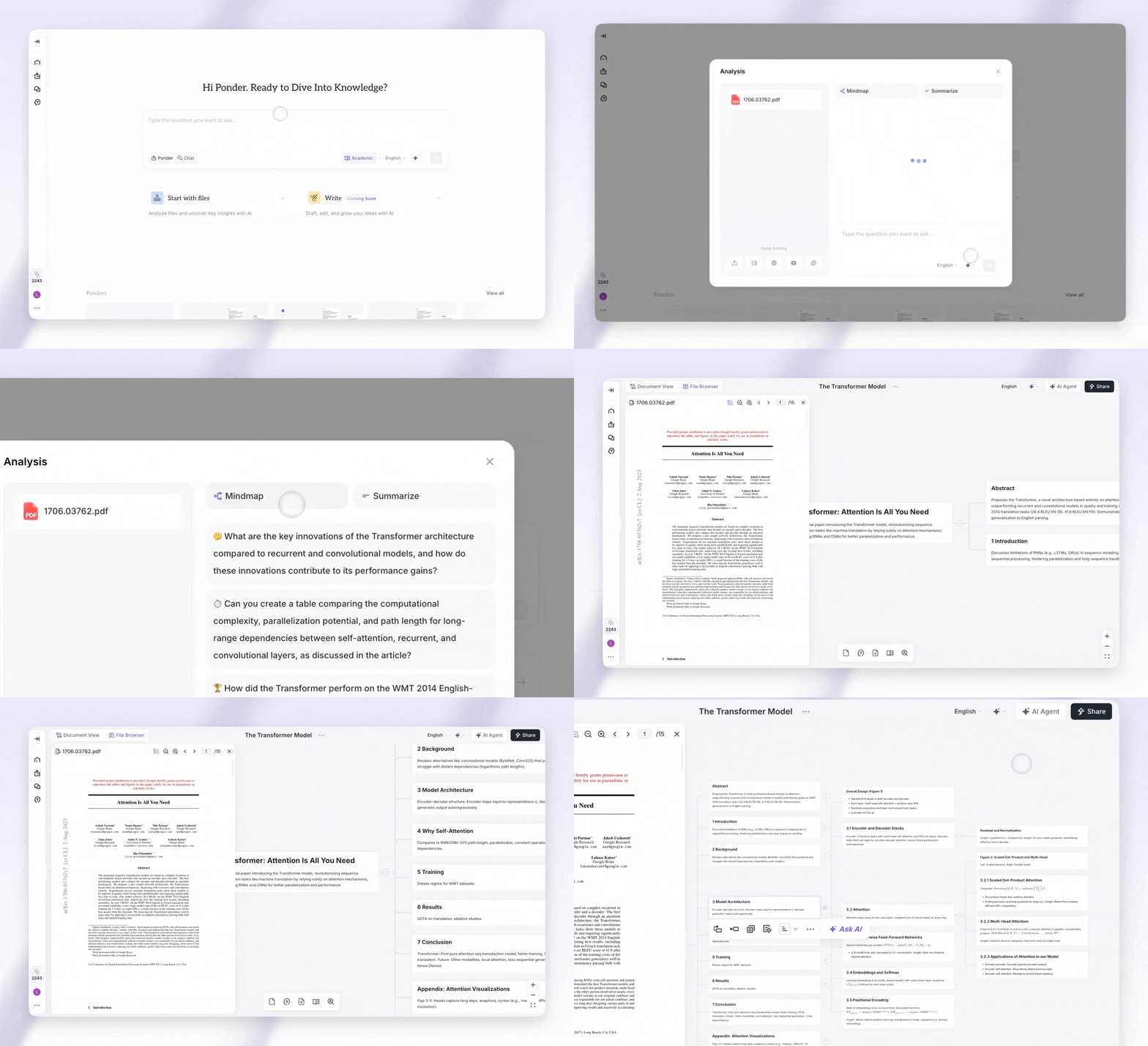
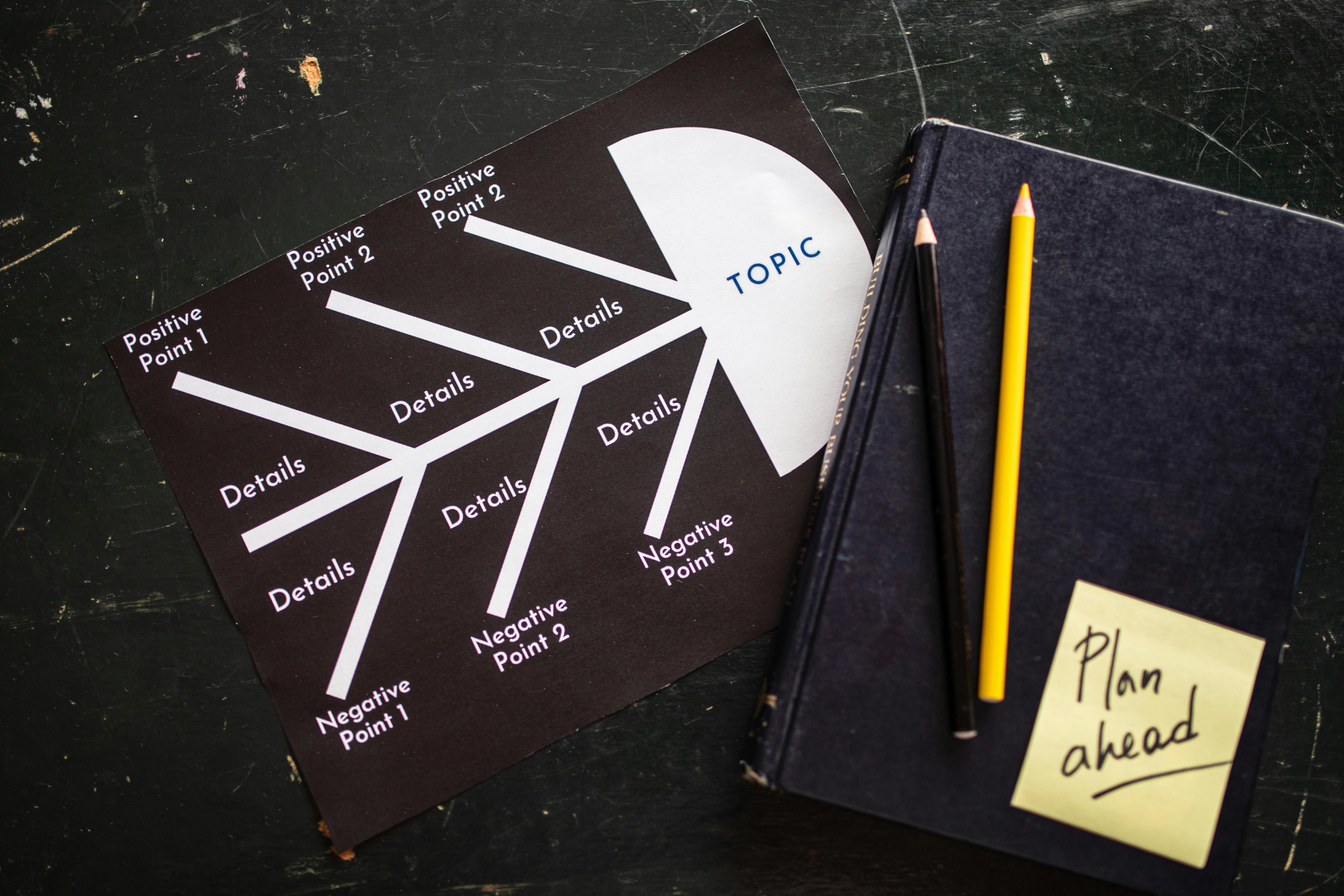
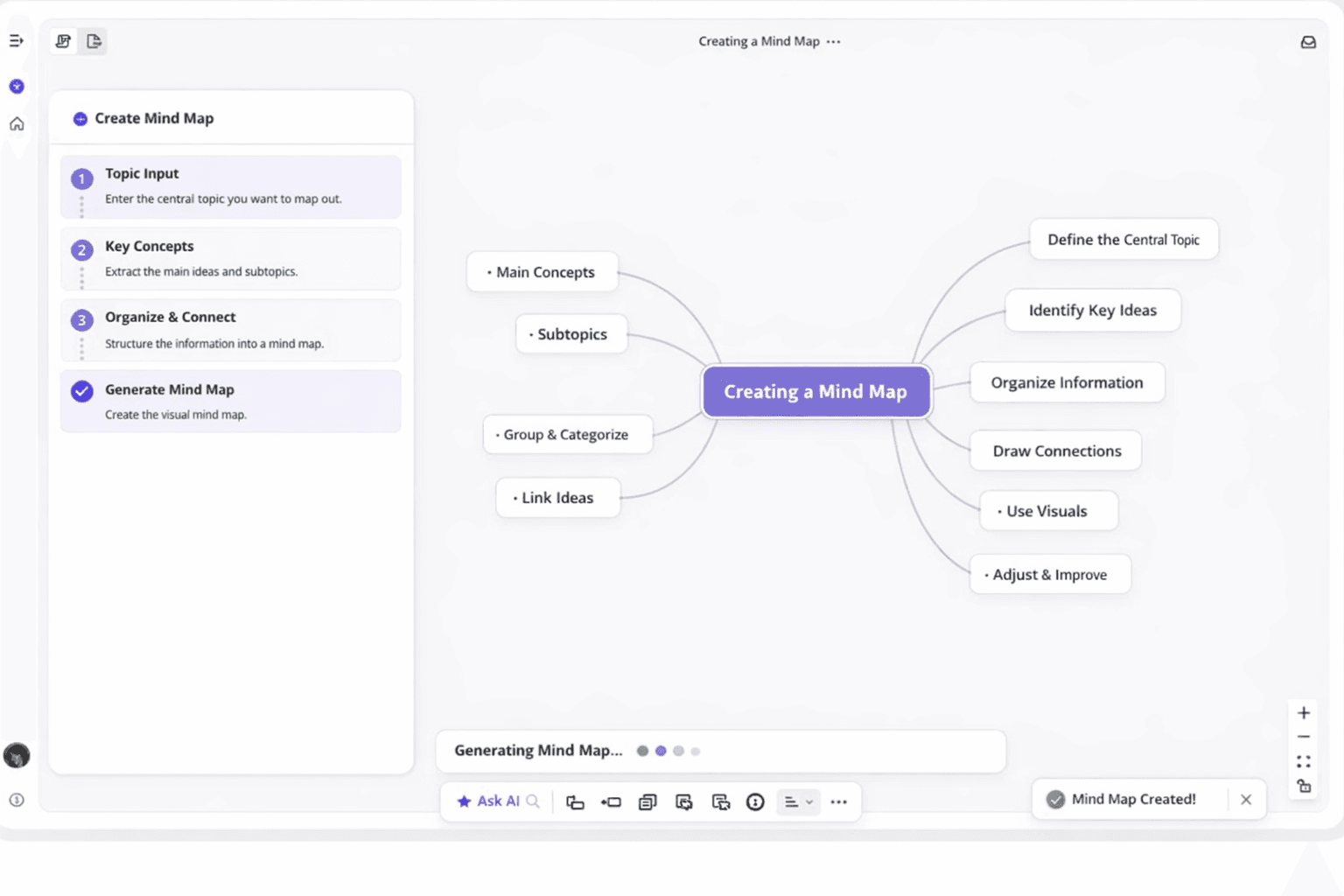
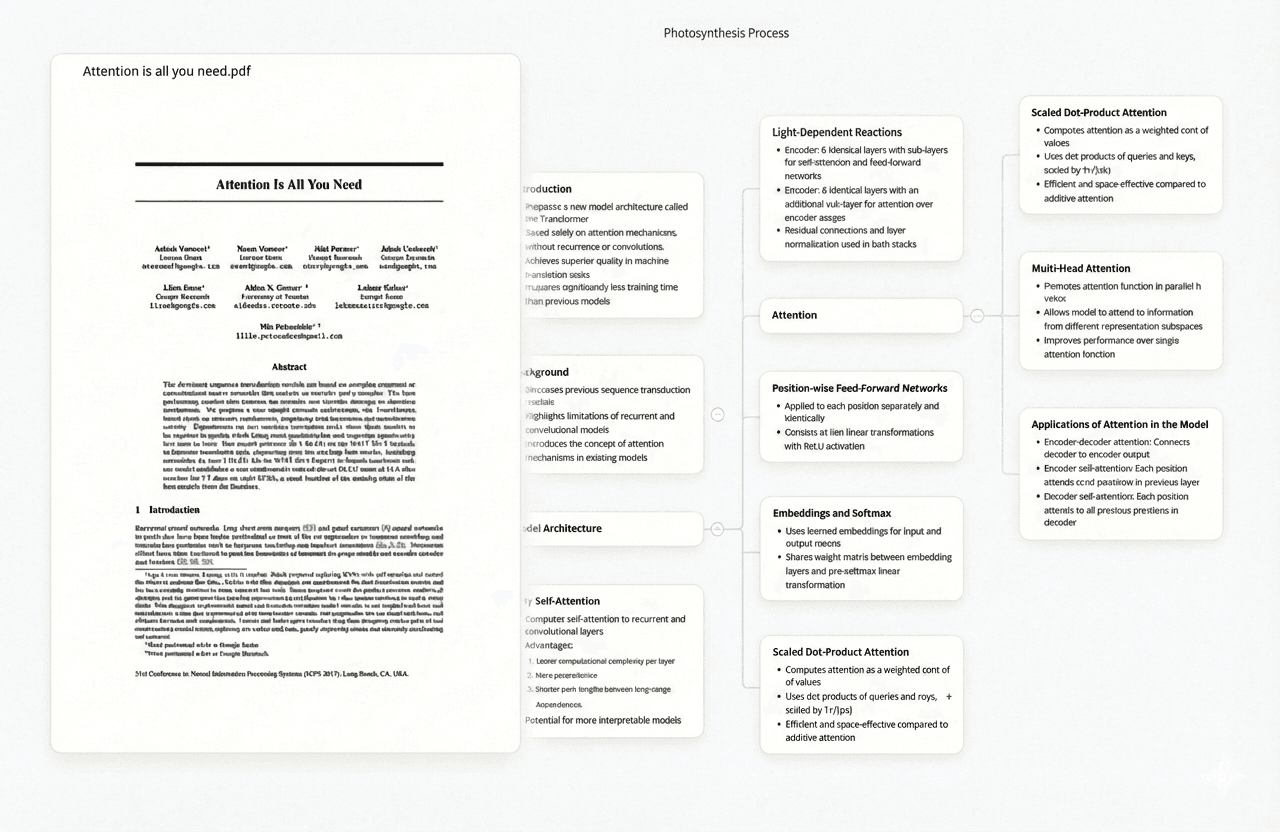
Digital content tools are transforming how we write and produce text today. An ai generator uses powerful ai technology to create written material from simple input. These smart platforms do AI text analysis and turn your ideas into mind map or polished content within seconds.
Bloggers, marketers, students, and business professionals can all benefit from this generator tool. Many platforms offer a free tool option with no big budget required. The technology helps beginners and experts produce quality material without years of experience.
These innovative solutions save time and help scale your output quickly. You'll learn to create content that resonates with your audience. The possibilities are endless, and you control every step using technology as your helpful assistant.
1. What Is an AI Information Generator and How Does It Transform Content Creation
An AI Information Generator transforms content creation by automatically producing high-quality, human-like text from simple prompts. These tools help writers, marketers, and businesses generate blogs, product descriptions, social media posts, and more, saving time and overcoming writer’s block. By understanding context and leveraging patterns from vast text data, an AI Information Generator creates authentic, engaging content quickly, making professional writing accessible to everyone.
The Technology Behind AI Content Generation
Understanding how an AI text generator works doesn't require a computer science degree. At its core, the technology relies on machine learning, a branch of artificial intelligence that allows computers to learn from experience. Think of it like teaching a child to write by showing them thousands of examples until they understand the patterns.
The generator uses advanced algorithms called neural networks, which mimic how the human brain processes information and create brainstorming maps. These networks have been trained on amounts of text data from books, articles, websites, and other written sources. Through this training, the AI learns grammar rules, vocabulary, writing styles, and even subtle nuances of language.
Natural language processing (NLP) is another key component that makes AI writing possible. NLP helps computers understand and interpret human language in a meaningful way. When you type an AI prompt, the tool uses NLP to comprehend what you're asking for.
"The most profound technologies are those that disappear. They weave themselves into the fabric of everyday life until they are indistinguishable from it."
The magic happens during the training phase. Machine learning models process billions of text-based examples, identifying patterns in sentence structure, word relationships, and content flow. This training allows the AI text generation system to predict what words should come next based on your context.
Modern AI writing tools combine multiple technologies working together seamlessly. They analyze your input, access their trained knowledge, and generate text that aligns with your requirements. The tool uses sophisticated probability calculations to select the most appropriate words and phrases, creating content that reads naturally.
From Text Prompts to High-Quality Content
The journey from a simple text prompt to finished content is surprisingly straightforward. You start by typing what you need into the AI content generator interface. Your prompt might be as simple as "Write a paragraph about healthy eating."
Once you submit your AI prompt, the generator springs into action. The system breaks down your request, identifying key elements like topic, tone, length, and purpose. It then searches through its trained knowledge base to find relevant patterns and information that match your needs.
The AI writing process happens in layers. First, the generator helps establish the overall structure and main ideas. Then it fills in supporting details, examples, and transitions.
Finally, it polishes the language to ensure the AI-generated text flows smoothly and maintains consistency throughout. Quality control mechanisms work behind the scenes during generation. The system checks for coherence, relevance, and grammatical accuracy as it builds each sentence.
| Generation Stage |
What Happens |
Time Required |
Your Input Needed |
| Prompt Analysis |
AI interprets your request and identifies requirements |
1-2 seconds |
Clear, specific instructions |
| Content Planning |
System structures outline and key points |
2-3 seconds |
Optional format preferences |
| Text Generation |
AI creates sentences and paragraphs based on patterns |
5-10 seconds |
None during process |
| Quality Review |
System checks coherence and grammar |
1-2 seconds |
Final editing and adjustments |
The beauty of AI-generated content lies in its adaptability. If the first result doesn't quite hit the mark, you can refine your prompt or request variations. Many AI writing generators allow you to regenerate text multiple times, giving you options to choose from.
What's particularly impressive is how these tools maintain context throughout longer pieces. The generator uses memory of what it has already written to ensure consistency in tone, style, and information. This makes the final output feel cohesive rather than disjointed.
What Types of Content You Can Generate Instantly
Modern AI Information Generator tools are highly versatile, handling virtually any content need—from short social media posts to long research articles. Blog posts, product descriptions, and guides can be generated quickly and structured logically, adapting to different formats.
Marketing content is another strength. An AI Information Generator can produce email campaigns, landing page copy, ad text, headlines, taglines, and calls-to-action that drive engagement. Social media managers benefit too, with content optimized for platforms like Twitter, Facebook, or LinkedIn.
Business communications, including emails, memos, reports, and proposals, are streamlined. Creative writing applications—from story ideas to dialogue and poetry—also thrive with AI Information Generator tools. Technical documentation and educational content, such as manuals and tutorials, can be generated with the right level of detail for any audience.
Content types include:
- Short-form: Social posts, headlines, taglines, meta descriptions
- Medium-form: Blog posts, product descriptions, newsletters, press releases
- Long-form: Articles, white papers, ebooks, guides
- Interactive: Chatbot scripts, Q&A responses
- Specialized: Scripts, surveys, presentations
AI-generated variations are fast and flexible—five versions of a product description can be created in under a minute. As technology evolves, AI Information Generator tools will continue expanding their capabilities, making content creation faster, more versatile, and accessible to everyone.
2. Why AI Writing Generators Save Time and Enhance Your Workflow
Every content creator faces the challenge of producing high-quality material under tight deadlines. AI Information Generator tools act as productivity partners, transforming how you approach writing and workflow management.
Modern AI writing platforms go beyond basic text generation. They understand context, tone, and audience needs, fundamentally changing how you plan and execute content strategy.
Create Content Quickly Without Sacrificing Quality
Can AI deliver quality? Absolutely—when used strategically. An AI Information Generator produces strong first drafts, giving you a solid foundation to refine and polish.
AI handles the initial heavy lifting, letting you focus on strategy, creativity, and brand voice. A free AI Information Generator can draft a 500-word article in under a minute, saving hours compared to starting from scratch. This keeps momentum going, even on challenging writing days.
The best results come from combining human insight with AI efficiency. You provide strategy and emotional intelligence; AI provides speed, consistency, and productivity. Professional content creators often need only 20–30% editing to reach publication standards, dramatically cutting creation time.
Scale Your Content Production Effortlessly
Scaling content used to mean hiring more writers or working longer hours. An AI Information Generator changes that, allowing you to produce more without increasing workload proportionally.
If you currently write five blog posts per week, an AI Information Generator can help produce fifteen or twenty in the same timeframe. It automates initial drafts, letting you focus on editing, strategy, and optimization.
This scalability works across content types—blogs in the morning, social posts in the afternoon, email newsletters in the evening. Each task takes minutes because AI handles the structural groundwork.
AI also ensures consistency. Unlike manual writing, which can fluctuate with energy and inspiration, an AI Information Generator maintains steady quality across all content.
Free AI Tools vs Premium Writing Software
Choosing between free and paid options can feel confusing. The good news? Many excellent free ai writing generator tools exist that deliver impressive results without requiring a credit card.
Free ai tools typically offer generous capabilities for individual users and small projects. Most platforms provide a free plan that lets you try it free before committing to any subscription. These plans usually include basic content generation, template access, and reasonable word limits.
Premium ai writing software unlocks additional features that serious content creators find valuable. Higher word count limits, advanced AI models, plagiarism checkers, and team collaboration tools come with paid subscriptions. The best ai writing tools also offer priority processing, meaning your content generates faster during peak usage times.
Here's a practical comparison to help you decide which option fits your needs:
| Feature Category |
Free AI Generators |
Premium Writing Software |
| Monthly Word Limit |
2,000-10,000 words |
50,000-unlimited words |
| AI Model Access |
Standard models |
Advanced models with better context understanding |
| Content Templates |
10-20 basic templates |
50+ specialized templates for various formats |
| Customization Options |
Limited tone and style settings |
Extensive brand voice training and custom parameters |
| Support and Updates |
Community forums |
Priority customer support and early feature access |
For beginners, starting with a free AI Information Generator is ideal to learn how these tools work and develop prompting skills, often meeting their needs indefinitely. Professionals or businesses with higher content demands typically upgrade to premium plans, which save time and produce more content at a lower cost than hiring writers. The key is matching your plan to your usage—start with free options if you publish occasionally, and scale to premium as content creation becomes central. Most platforms allow flexible upgrades or downgrades, so you can adjust as your needs change.
3. Best Practices for Using AI Text Generators Effectively
Mastering AI tools doesn’t require technical expertise—just smart, practical techniques. The difference between average and exceptional results lies in how you guide an AI Information Generator.
Think of your AI tool as an assistant that responds best to clear instructions. The more specific your guidance, the better the output.
These strategies apply to any project. Use an AI Information Generator for blog posts, headlines, marketing copy, or story ideas.
Writing Powerful AI Prompts That Get Results
The quality of AI output depends directly on your prompts. Vague instructions produce generic content, while detailed prompts generate precise, engaging results.
Effective prompts specify length, tone, audience, and purpose. For example, instead of “write about coffee,” try:
"Write a 200-word enthusiastic product description for organic Ethiopian coffee beans."
Providing context matters. An AI Information Generator creates different results depending on audience, style, and objective. Compare:
- “Write a suspenseful mystery opening for young adults”
- “Write a whimsical children’s story beginning”
Iterate and refine prompts. Adjustments like “make it more conversational” or “include three examples” improve output. Different generators require tailored approaches:
- Product description generators need detailed feature lists
- Idea generators benefit from broader creative parameters
- Copy generators for ads require target audience and action goals
Using these best practices, your AI Information Generator becomes a powerful partner, producing content efficiently while matching your exact needs.
| Weak Prompt |
Strong Prompt |
Why It Works Better |
| Write about fitness |
Write a motivational 150-word social media post about morning workouts for busy professionals, emphasizing energy and productivity benefits |
Specifies format, length, audience, angle, and key benefits |
| Create a headline |
Generate five attention-grabbing headlines for an article about sustainable fashion trends, targeting environmentally conscious millennials |
Requests multiple options, defines topic, identifies target audience |
| Make a story |
Write an opening paragraph for a science fiction story set on Mars in 2150, featuring a botanist discovering unusual plant growth, using descriptive sensory details |
Provides genre, setting, character, conflict, and style guidance |
| Write product info |
Create a 100-word enthusiastic product description for wireless noise-canceling headphones, highlighting 30-hour battery life and superior sound quality for music lovers |
Specifies tone, length, key features, and target customer |
Customizing AI-Generated Text for Your Brand Voice
AI can create content quickly, but the real value is customizing it to your brand voice. An AI Information Generator provides a solid starting point, while your edits ensure authenticity. Define your brand traits—tone, language, and style—and apply them consistently across all content. Incorporate signature phrases and adjust pronouns as needed. Use specialized tools for messages or product names; the AI Information Generator accelerates creation while human oversight keeps everything on-brand.