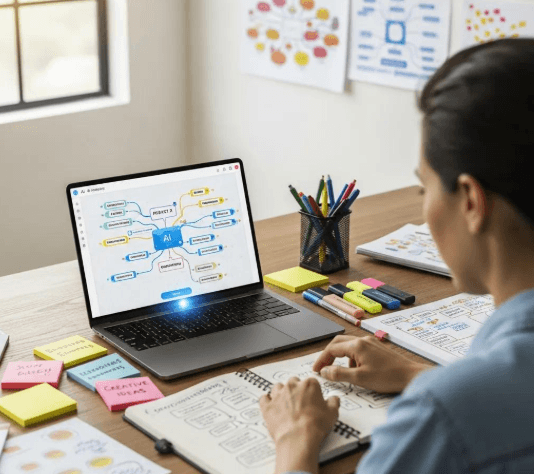
Ponder helps you map thoughts, connect insights, and explore knowledge the way your mind actually works.
Seven AI tools for literature review compared by stage: discovery, extraction, synthesis, reading, and writing — choose the right tool for each phase.
Olivia Ye
Compare 11 AI research tools for PhD students, from literature reviews and paper synthesis to citations and references. Most picks have a free tier.
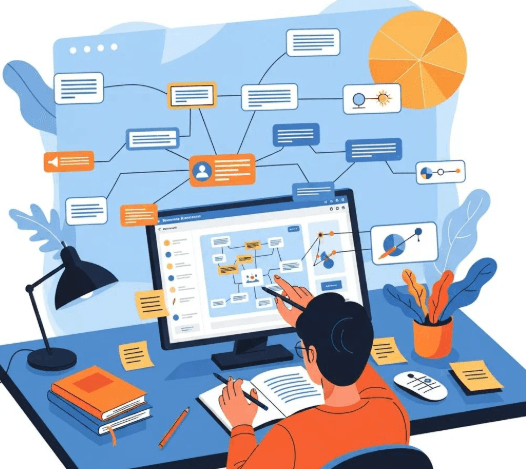
How to make a mind map online: best free tools (Miro, FigJam, Ponder), step-by-step guide, and templates for students and teams.
Ponder’s tools help you organize and write your academic papers with greater efficiency and accuracy.
Charlene Deng
AI guide to a faster literature review: systematic search, smart screening, source synthesis, and structured writing — using Ponder and other AI tools.
Dr. Alex Chen
Discover tools that enhance productivity and efficiency during research with Ponder’s powerful platform.
Improve your note-taking process with Ponder’s AI-powered tools for better organization and recall.
Streamline your research workflow using Ponder’s integrated AI tools for a seamless experience.
AI-assisted research 2026: tools, techniques, and workflows for faster literature reviews, data analysis, and synthesis. Practical guide with Ponder and more.
Ponder’s workspace allows you to organize, visualize, and analyze all your research in one seamless platform.
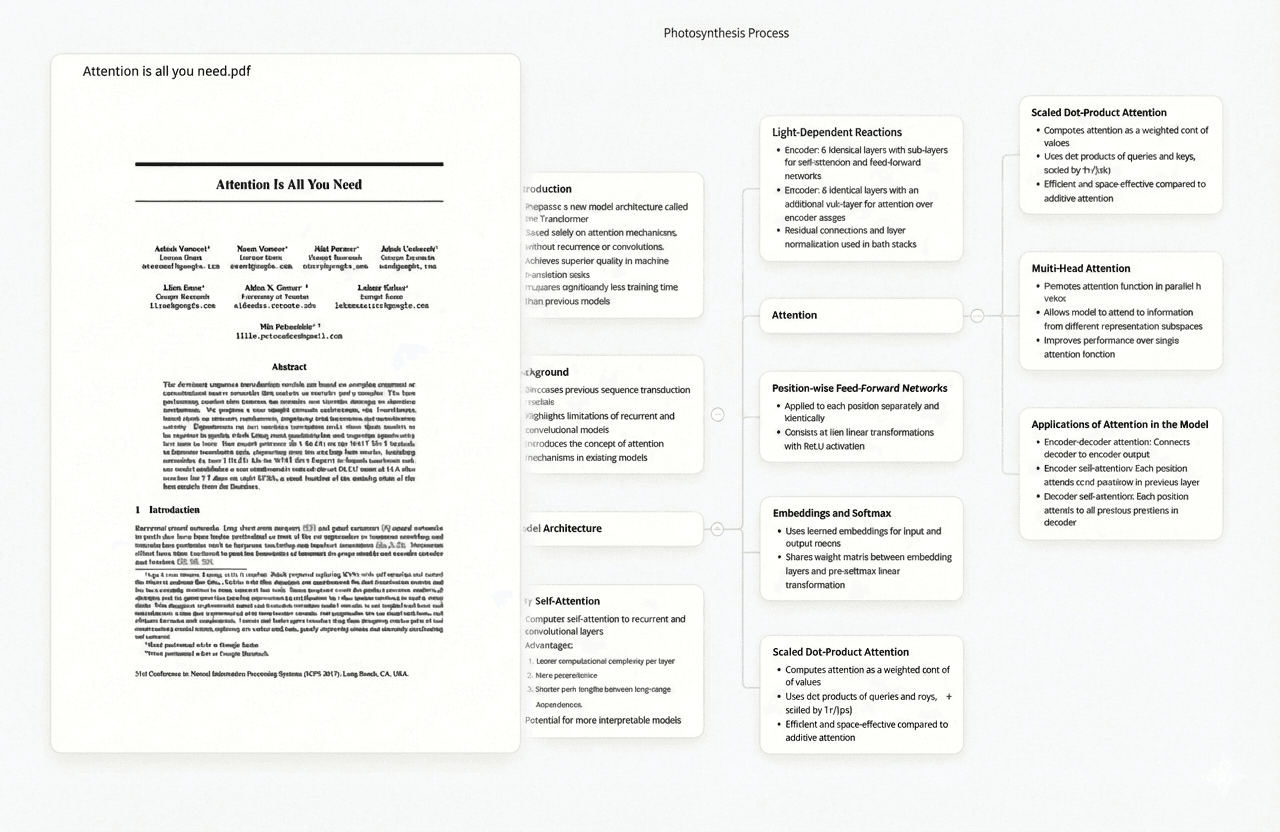
Synthesize multiple documents into clear, actionable insights with Ponder’s AI-driven tools.
Use Ponder’s AI to analyze, compare, and extract insights from multiple documents all in one place.
The best AI research tools in 2026 for students and academics: Ponder, Elicit, Consensus, Semantic Scholar, and more. Compare features, pricing, and use cases.
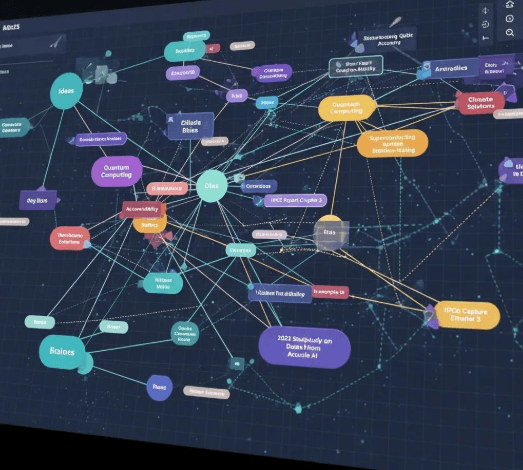
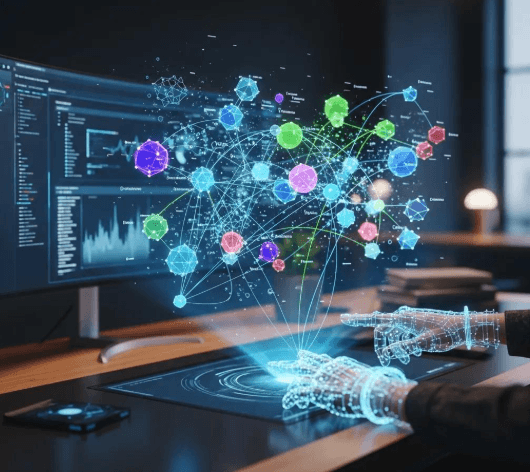
Learn how to visualize and connect your research data using Ponder's AI-powered knowledge mapping tools.
Looking for a NotebookLM alternative that handles academic research? Compare 10 tools: Ponder for cross-paper synthesis, Elicit for data extraction, SciSpace for PDF comprehension, and more.